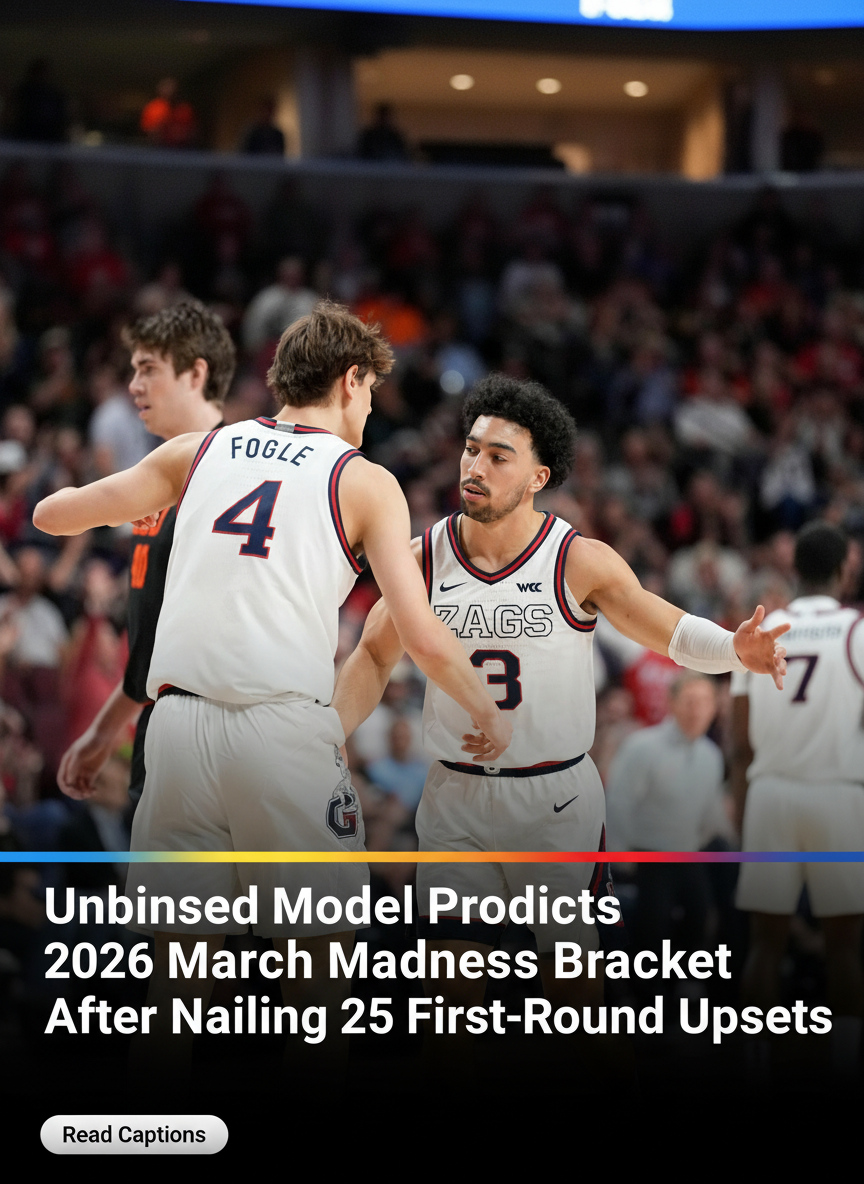
Cracking the Code: Unbiased Data Model Reveals 2026 March Madness Bracket and Major Upset Alerts
As the calendar turns to March, the frenzy of college basketball reaches its fever pitch. With the 2026 NCAA Tournament field set, millions of fans across the country are facing the annual dilemma: how to balance heart, history, and statistics when filling out a bracket. While “Cinderella stories” are the lifeblood of the tournament, predicting them requires more than just a hunch. That is where SportsLine’s advanced computer model steps in.
The highly anticipated 2026 NCAA Tournament picks and simulations have officially been released, providing a data-driven roadmap for fans looking to gain an edge in their pools. Known for its cold, calculated approach to the Big Dance, the SportsLine model has once again revealed its optimal bracket, highlighting where the biggest risks—and rewards—lie in this year’s field.
A Proven Track Record of Defying the Odds
In a tournament defined by chaos, consistency is hard to find. However, the proprietary model used by SportsLine has built a reputation for identifying the “bracket busters” before they become household names. To date, the model has successfully called 25 first-round upsets by double-digit seeds.
This track record is particularly impressive given the high variance of the opening round. By looking past the prestige of “Blue Blood” programs and focusing on efficiency metrics, adjusted defensive ratings, and tempo-based matchups, the model identifies teams that are statistically undervalued by the selection committee and the general public alike.
The “Unbiased” Advantage
The primary hurdle for the average bracket-filler is human bias. Whether it is a loyalty to a specific conference or a tendency to overvalue a team based on a strong performance in their conference tournament, emotions often lead to “chalky” brackets that fail to account for the statistical reality of the matchups.
The SportsLine model operates without these constraints. By simulating the entire 2026 NCAA Tournament 10,000 times, the model accounts for thousands of different variables, from injury impacts to shooting consistency. This year, the model is reportedly “fading” several high-profile teams that the public is backing, while locking in on specific mid-majors whose statistical profiles suggest they are built for a deep run into the second weekend.
Strategic Insights for the 2026 Field
While the full bracket breakdown is reserved for subscribers, the model’s 2026 projections suggest a year of significant volatility. Key insights from the simulation include:
- High-Seed Vulnerability: The model has identified at least two top-4 seeds that are significantly more likely to lose in the first weekend than their ranking suggests.
- Value Picks: Identifying “value” is the key to winning large pools. The model highlights teams with lower ownership percentages in national brackets that have a statistically high probability of reaching the Elite Eight or Final Four.
- The Path to the Title: Beyond the early upsets, the model has simulated the Final Four and National Championship game, pinpointing which favorite has the most efficient path to cutting down the nets.
Navigating the Madness
As the 2026 tournament kicks off, the divide between casual fans and data-driven experts continues to grow. For those tired of seeing their brackets go up in smoke by the end of the first Friday, leaning on an unbiased model provides a level of discipline that “gut feelings” simply cannot match.
Whether you are looking for that one double-digit seed to carry you to victory or trying to decide which #1 seed is most likely to fall, the SportsLine model offers a comprehensive look at the 2026 NCAA Tournament that turns madness into a science.
For the full 2026 NCAA Tournament bracket, including every upset pick and the projected champion, visit SportsLine to see the results of their 10,000 simulations.