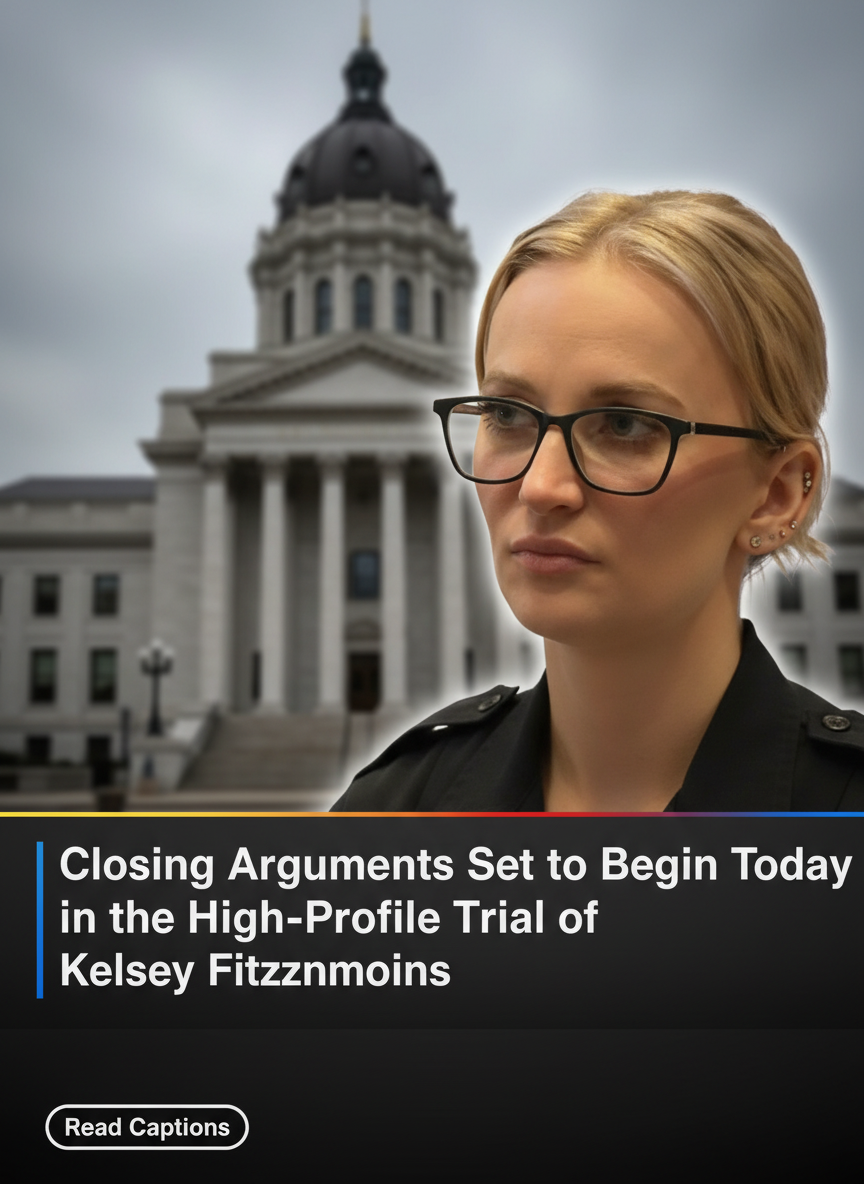
Fateful Words: Closing Arguments Set in Kelsey Fitzsimmons Manslaughter Trial
Editor’s note: This article discusses suicide. If you or someone you know is in crisis, please call or text the Suicide & Crisis Lifeline at 988.
BROCKTON, MA — After days of emotionally charged testimony and a deep dive into the private digital lives of a grieving family, closing arguments are scheduled to begin today in the trial of Kelsey Fitzsimmons. Fitzsimmons, 32, stands accused of involuntary manslaughter in connection with the 2019 death of her husband, Kevin Fitzsimmons.
The Prosecution’s Case: Words as Weapons
Throughout the trial, prosecutors from the Plymouth County District Attorney’s Office have painted a harrowing picture of a relationship defined by verbal volatility. The state argues that Kelsey Fitzsimmons didn’t just witness her husband’s mental health decline; they contend she actively accelerated it through a relentless barrage of text messages and verbal abuse.
Drawing parallels to the landmark Michelle Carter “texting suicide” case, the prosecution presented hundreds of messages sent in the days leading up to Kevin’s death. They argue that Kelsey’s “coercive and harassing” language overcame Kevin’s will to live, effectively pushing him toward the tragic outcome. “This was not a tragedy that happened in a vacuum,” prosecutors argued during the trial. “It was the result of a calculated, verbal assault on a vulnerable man.”
The Defense: A Relationship in Crisis, Not a Crime
Defense attorneys have presented a starkly different narrative, characterizing the case as a tragic culmination of long-standing mental health struggles rather than a criminal act. They argue that Kevin Fitzsimmons had a documented history of depression and suicidal ideation that predated his marriage to Kelsey.
The defense maintained that while the couple’s communication was often “toxic” and “unfiltered,” Kelsey’s words did not constitute a physical act of manslaughter. They portrayed her as a frustrated, overwhelmed spouse who was struggling to cope with her husband’s instability. “Being a bad communicator or a mean-spirited spouse is not a crime,” the defense argued, insisting that Kevin made his own choices and that Kelsey lacked the “reckless” intent required for a manslaughter conviction.
The Stakes of the Verdict
The trial has featured heartbreaking testimony from family members and mental health experts, forcing the jury to grapple with the blurred lines between domestic conflict and criminal liability. The central legal question remains: Can a person’s speech be considered the proximate cause of another person’s self-inflicted death?
Legal analysts suggest that the verdict will hinge on whether the jury believes Kelsey’s conduct was “wanton or reckless” enough to cause a high degree of likelihood that substantial harm would result. Because the Massachusetts Supreme Judicial Court has previously ruled that “encouragement” can lead to manslaughter charges, the precedent is set, but the specific facts of the Fitzsimmons case provide a new test for the law.
Next Steps
Following closing arguments, the judge will provide final instructions to the jury before they retreat for deliberations. If convicted of involuntary manslaughter, Fitzsimmons could face up to 20 years in state prison.
As the community awaits a verdict, the case serves as a somber reminder of the devastating impact of mental health crises and the evolving legal landscape regarding digital communication and personal responsibility.
Stay tuned for continuing coverage as the jury begins deliberations in this case.