12 Kids Playroom Ideas Living Room
Modern living often means making the most of every square inch. Integrating a kids’ playroom into your living room doesn’t have to mean sacrificing style or adult comfort. Instead, it’s an opportunity to create a harmonious, functional space where families can connect, play, and relax together. Discover how to design captivating play areas that seamlessly blend with your existing decor, ensuring both children and adults feel right at home in a shared, stylish environment.
The Cozy Corner Command Center
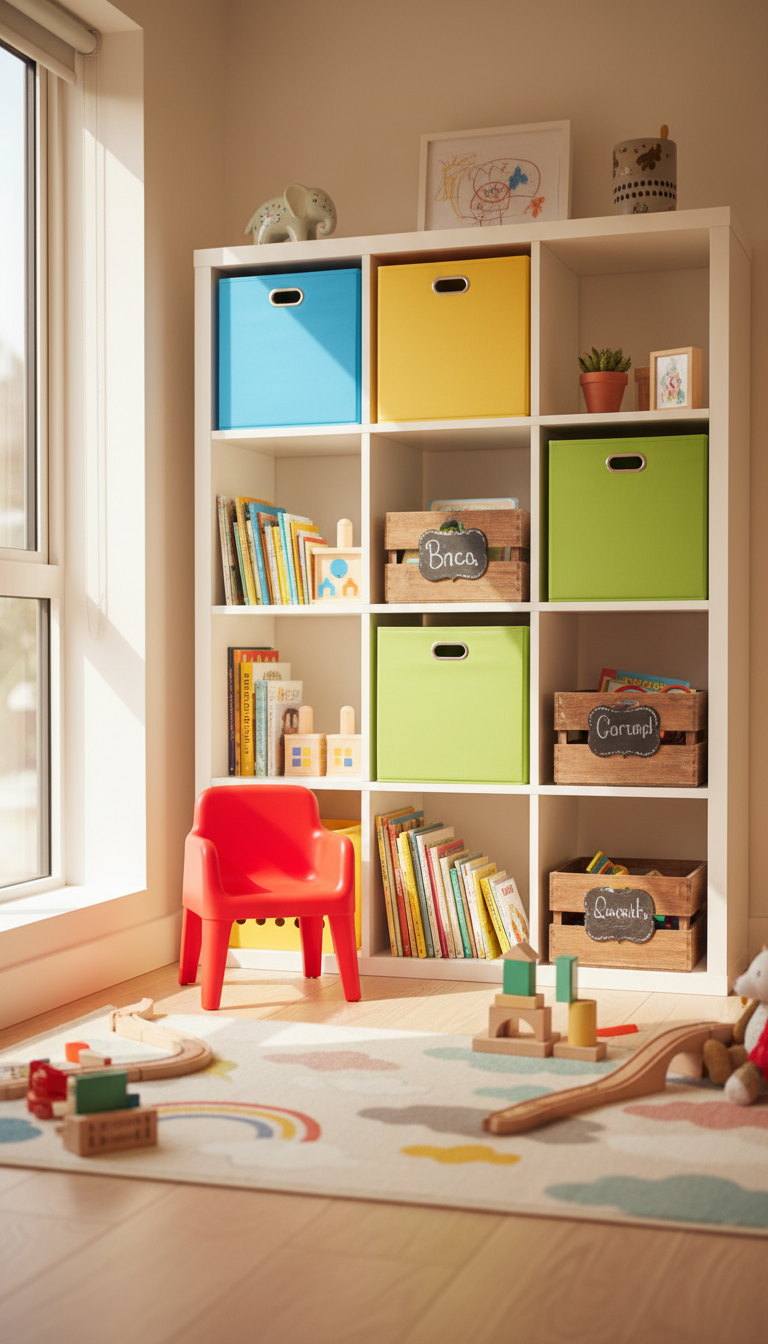
Designate a specific corner of your living room as the children’s exclusive play area. This clear demarcation helps children understand boundaries while keeping their activities contained. Incorporate a small, child-sized table and chairs, a soft rug, and low-level shelving for easy access to toys. By utilizing a corner, you maximize space efficiency and maintain a sense of order in the larger room, allowing for both adult relaxation and vibrant play.
Stylish Storage, Seamless Living
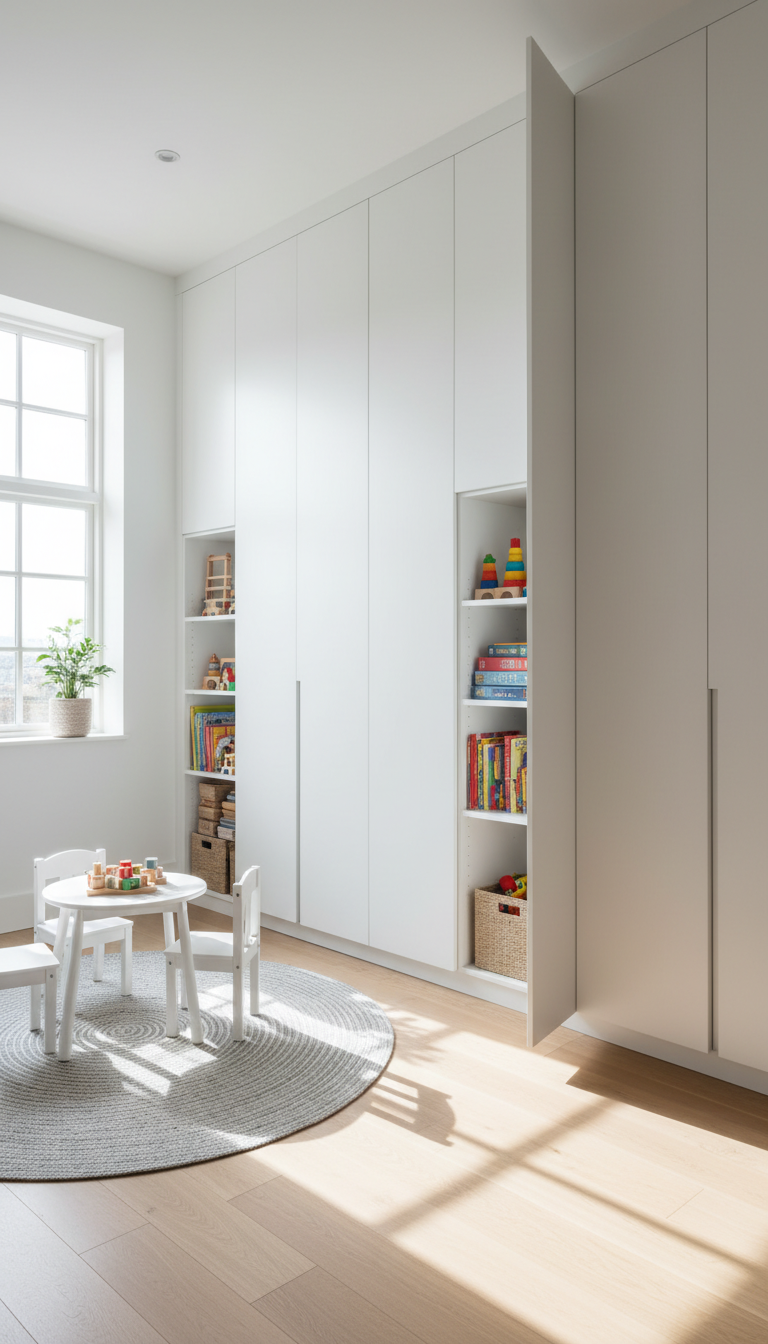
The key to a tidy living room that doubles as a playroom is smart storage. Opt for furniture pieces that offer hidden compartments, such as ottomans with lift-top storage, built-in cabinetry, or decorative baskets and bins. These solutions allow toys and craft supplies to be quickly stowed away, transforming the space back into an adult-friendly zone in moments. Choose storage that complements your existing living room aesthetic to maintain a cohesive look.
Clever Furniture, Dual Purpose
Invest in furniture that serves both adult and child needs. A sturdy coffee table with rounded edges can double as a craft surface or a base for building blocks, while comfortable floor cushions can be used for lounging or for creating impromptu forts. Sofa beds can provide extra sleeping space for sleepovers, and modular shelving units can display both decorative items and children’s books. This approach optimizes functionality without cluttering the space with single-use items.
Dynamic Wall Displays for Play
Transform an empty wall into an interactive play hub. Install low-level floating shelves to display favorite toys, art supplies, and books, encouraging children to engage with their playthings. Consider a magnetic paint or chalkboard wall section for creative expression without taking up floor space. This visual integration keeps play elements visible and accessible while also contributing to the room’s overall aesthetic, making it an engaging focal point.
Plush & Protective Play Zones
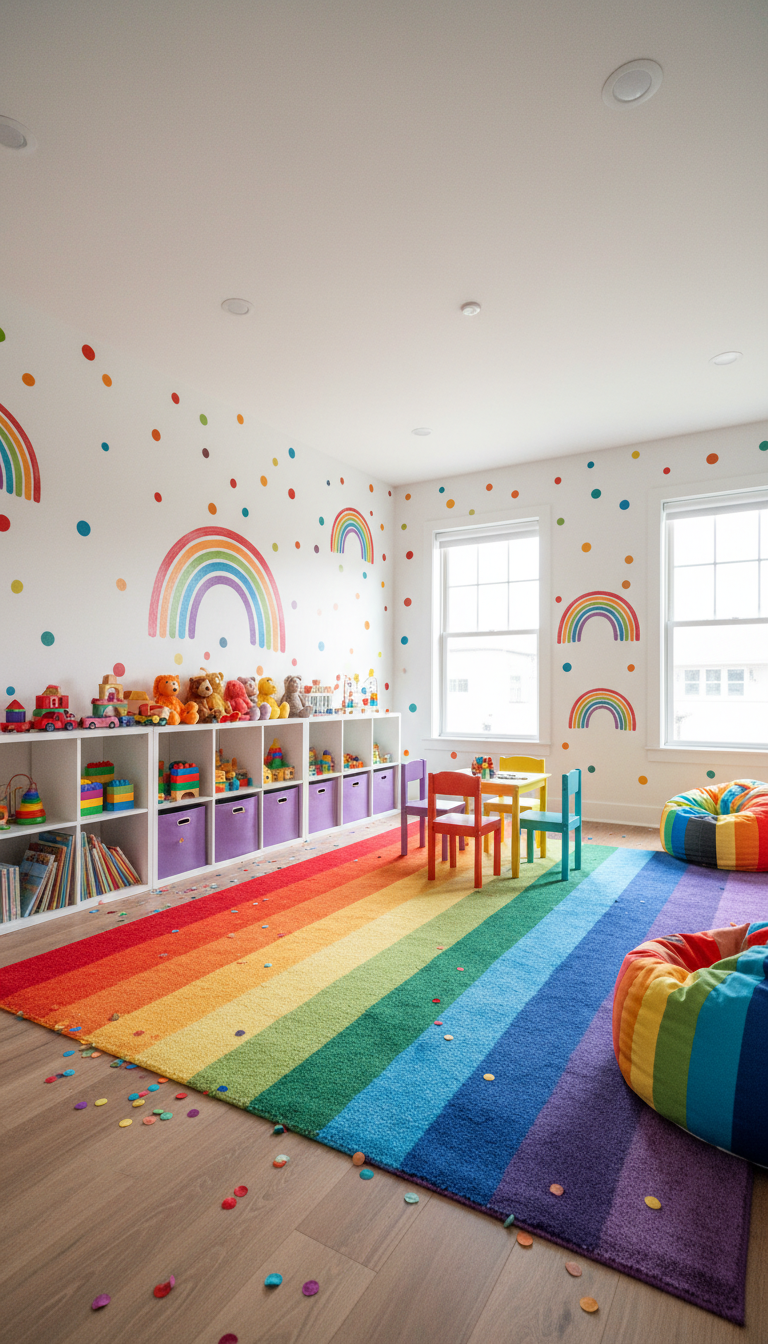
Define a play area with a large, soft, and easy-to-clean play mat or rug. This not only provides a comfortable surface for floor play but also acts as a visual boundary for the children’s zone within the living room. Look for mats made from non-toxic materials with good cushioning to protect against tumbles. Choose colors and patterns that complement your living room’s decor, adding warmth and texture while ensuring safety and comfort for little ones.
Enchanting Reading Retreat
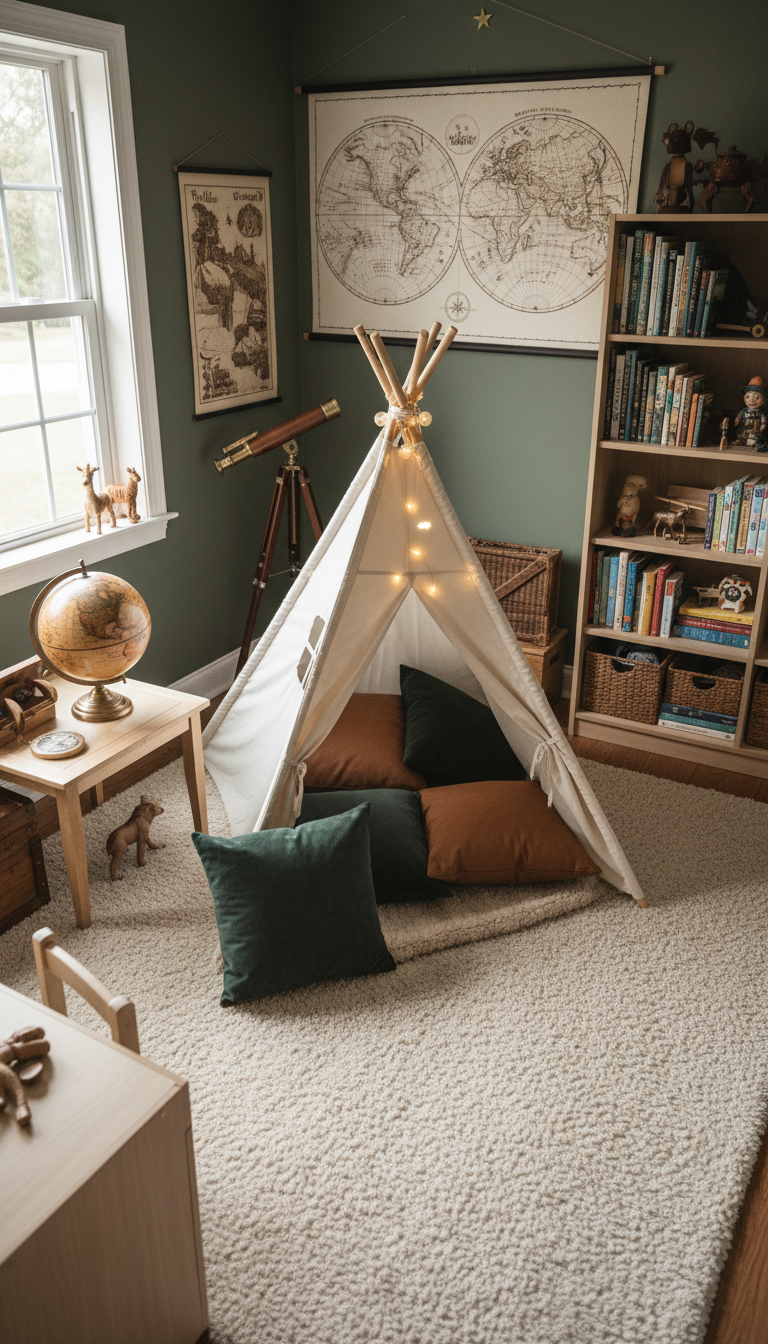
Create a cozy reading nook within your living room that appeals to both children and adults. A comfortable armchair with a soft throw, a floor lamp, and a low bookshelf filled with age-appropriate books can transform a small corner into an inviting literary escape. Add some soft pillows and perhaps a small, enclosed canopy for a magical touch. This promotes a love for reading and provides a quiet space for imaginative journeys amidst the bustling family life.
Creative Corner, Clean & Clear
Dedicate a small, easily cleanable surface for arts and crafts. A roll-out cart with art supplies, a child-sized easel that can be folded away, or a durable, washable placemat on a coffee table can facilitate creative expression without dedicated extra space. Ensure all materials are stored in accessible, child-friendly containers that can be neatly put away after use. This encourages artistic development while maintaining the living room’s aesthetic appeal and cleanliness.
Subtly Themed Adventures
Infuse a subtle theme into the play area without overwhelming the entire living room. This could be a “mini-safari” with animal-themed cushions and a jungle-patterned rug, or a “starry night” with glow-in-the-dark decals and constellation projections. The key is to use removable and interchangeable decor elements that can evolve with your child’s interests. This adds personality and excitement to their play zone while still harmonizing with the overall decor.
Upward-Bound Entertainment
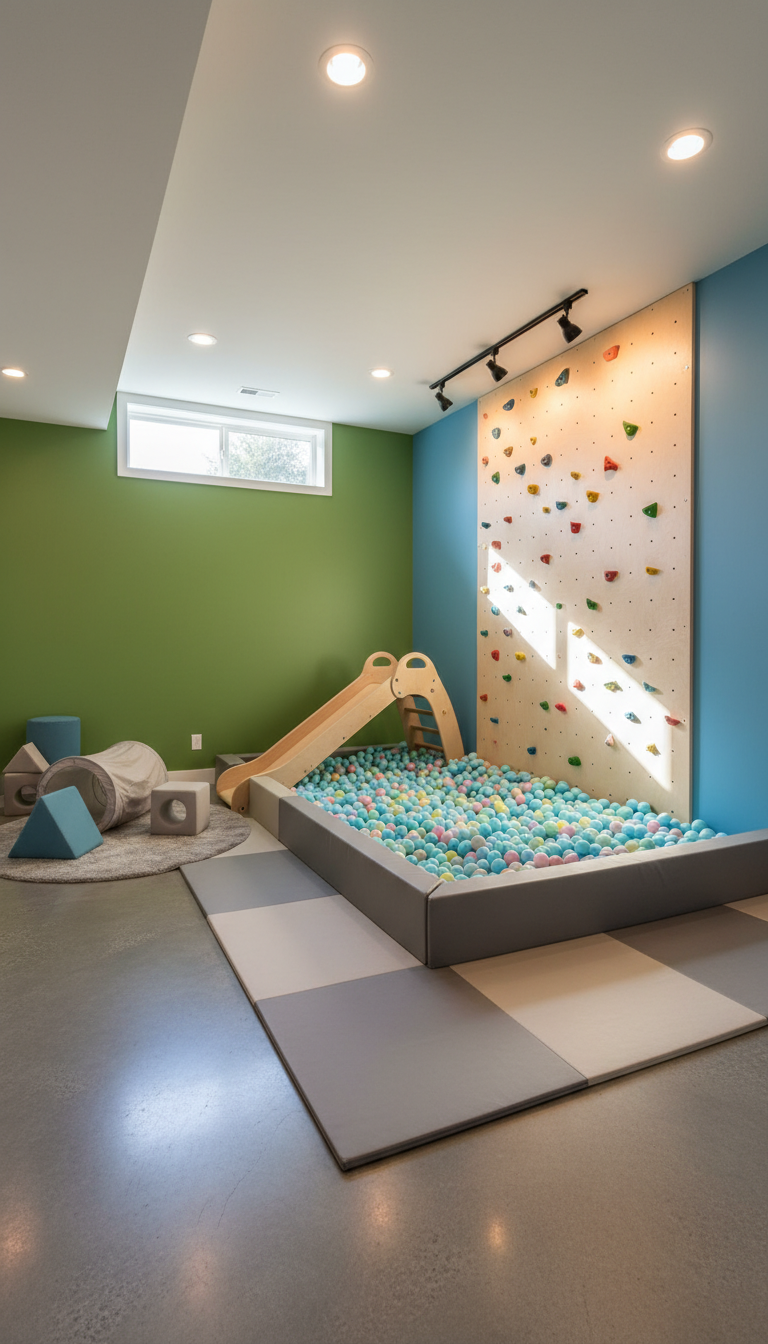
Utilize vertical space to minimize floor clutter and maximize play opportunities. Wall-mounted activity centers, climbing domes for toddlers, or even a child-friendly indoor swing (if ceiling structure allows) can provide engaging physical play. Ensure any wall-mounted elements are securely installed and meet safety standards. This approach keeps play dynamic and exciting, offering varied activities without consuming valuable horizontal space in your living room.
Bright & Inviting Play Zones
Position the kids’ play area near a window or in a part of the living room that receives ample natural light. Brightness naturally enhances mood and concentration, making the space more appealing for play and learning. Ensure windows are fitted with child-safe blinds or curtains to control glare and provide privacy when needed. This thoughtful placement creates an uplifting and healthy environment for children, fostering creativity and joy.
Harmonious Hues, Happy Home
Integrate the play area seamlessly by using a color palette that either matches or subtly complements your living room’s existing decor. This doesn’t mean avoiding color; rather, it means selecting shades that work well together. For instance, if your living room has muted blues and grays, introduce soft teals and yellows in the children’s area. This creates a cohesive look that feels deliberate and stylish, rather than an afterthought, making the entire space visually appealing.
Unplugged Play, Unlimited Imagination
Designate a specific section of the living room as a tech-free zone, encouraging imaginative and hands-on play. This area might feature building blocks, dress-up clothes, art supplies, and board games, but no screens. It serves as a gentle reminder for both children and adults to disconnect from digital devices and engage in interactive, creative play. This fosters deeper connections and promotes essential developmental skills in a world increasingly dominated by screens.
Transforming your living room into a dual-purpose space for both adult relaxation and vibrant child’s play is entirely achievable with thoughtful design and clever integration. By embracing smart storage, multipurpose furniture, and creative zoning, you can cultivate an environment where style and functionality coexist beautifully. These 12 ideas offer a blueprint for creating a home where every family member feels comfortable, engaged, and inspired, proving that a family-friendly living room can indeed be both elegant and endlessly fun.