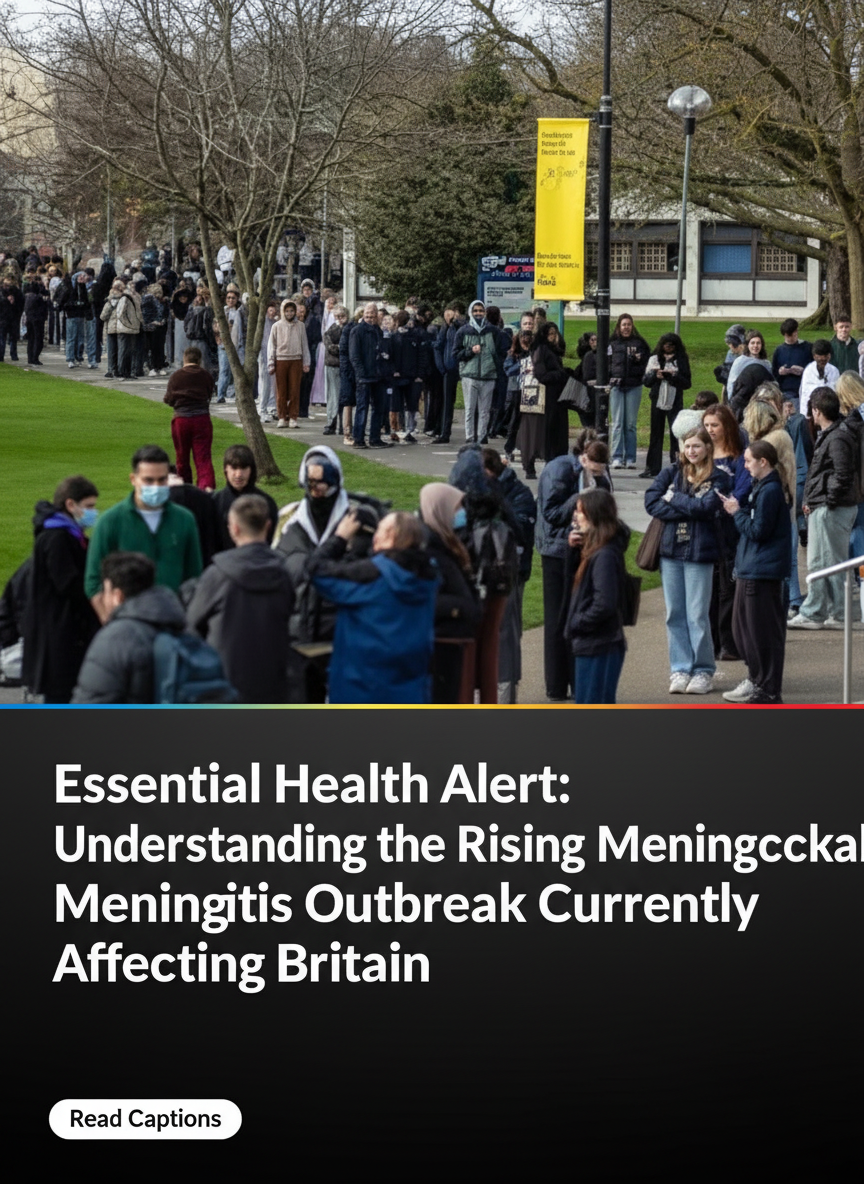
Health Officials on High Alert as Meningitis Cases Surge Across Britain: What You Need to Know
Public health authorities in the United Kingdom have issued an urgent advisory following a significant spike in meningococcal meningitis cases across several regions. As hospitals report an uptick in admissions, health experts are racing to contain the spread and educate the public on the life-saving importance of early detection and vaccination.
The Current Situation: A Growing Concern
The UK Health Security Agency (UKHSA) has confirmed that the number of invasive meningococcal disease (IMD) cases has reached a five-year high for the first quarter of the year. While meningitis can affect anyone, the current outbreak has shown a particular concentration among university students and children under the age of five.
Medical professionals are particularly concerned about the prevalence of the MenW and MenB strains. These variations of the bacteria are known for their rapid progression, often turning from mild flu-like symptoms to life-threatening conditions within a matter of hours. Several major university hubs, including London, Manchester, and Bristol, have reported clusters, leading to increased pressure on local National Health Service (NHS) facilities.
Recognizing the Red Flags
One of the primary challenges with meningitis is its ability to mimic other illnesses in its early stages. However, health officials emphasize that time is the most critical factor in survival. The “classic” symptoms to watch for include:
- A high fever with cold hands and feet.
- A severe headache and a stiff neck.
- Sensitivity to bright lights (photophobia).
- Confusion, irritability, or extreme sleepiness.
- A distinctive blotchy rash that does not fade when a glass is pressed against it.
“We are urging parents and students not to wait for a rash to appear,” said Dr. Elizabeth Thorne, a consultant in infectious diseases. “If someone is feeling rapidly worse and exhibits a stiff neck or light sensitivity, seek emergency medical care immediately. Early intervention with antibiotics is the difference between recovery and permanent disability or death.”
Why Now? Factors Driving the Outbreak
Epidemiologists suggest that a “perfection storm” of factors has contributed to the 2026 surge. A decline in routine vaccination rates over the past few years, partly attributed to post-pandemic healthcare disruptions, has left a larger segment of the youth population vulnerable. Furthermore, the return to full-scale social mixing and crowded dormitory living has facilitated the transmission of the bacteria, which spreads through close contact, coughing, and sneezing.
The Role of Vaccination and Prevention
The primary defense against the outbreak remains the UK’s robust vaccination program. Health officials are calling on all eligible teenagers and “freshers” (first-year university students) to ensure they have received the MenACWY vaccine. Additionally, parents are encouraged to check their children’s records for the MenB vaccine, which is routinely offered to infants.
In response to the current numbers, some local councils have set up pop-up vaccination clinics in student unions and community centers to bridge the immunity gap. “Vaccination is not just a personal choice in this context; it is a matter of public safety,” noted the UK Health Secretary in a statement on Wednesday.
Looking Ahead: Vigilance is Key
As the spring semester continues, health authorities expect cases to remain elevated. Schools and universities have been provided with updated guidance on how to manage suspected cases and support affected families. While the situation is serious, officials maintain that the risk to the general public remains low provided that individuals stay informed and proactive about their health.
For now, the message from Britain’s medical community is clear: know the symptoms, check your vaccination status, and trust your instincts. In the fight against meningitis, every minute counts.