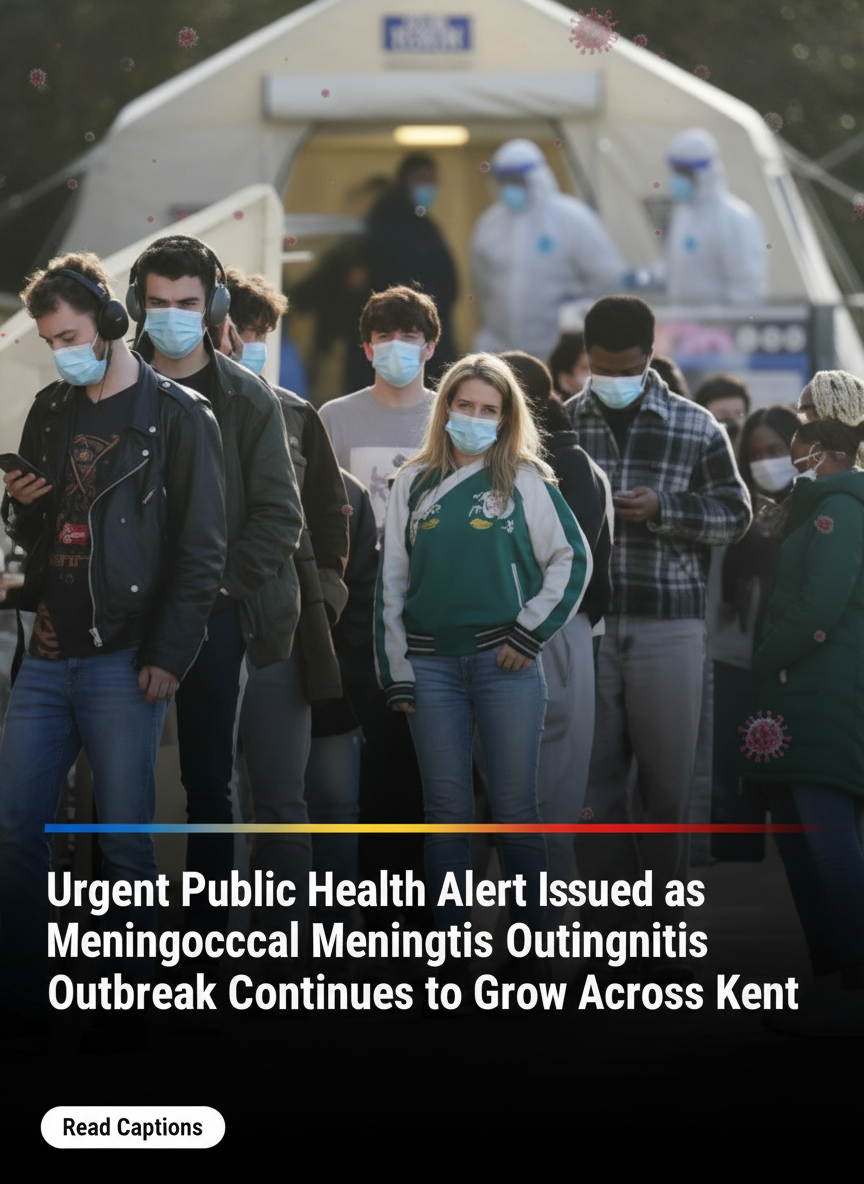
Urgent Public Health Alert as Kent Meningitis Cluster Sparks Containment Effort
Health officials in Kent have issued an urgent briefing following the confirmation of a cluster of meningococcal meningitis cases in the region. The UK Health Security Agency (UKHSA) is currently working alongside local health partners to contain the spread of the life-threatening bacteria and ensure the safety of the local community.
The outbreak, which has centered around a primary school in the Ashford area, has prompted immediate intervention. While the number of confirmed cases remains low, the severity of the disease has led authorities to take a proactive stance in tracking potential transmissions and providing preventative care to those most at risk.
Rapid Response and Containment Measures
The UKHSA South East team confirmed that they are monitoring the situation closely after two cases were identified. In response, health officials have identified close contacts of the affected individuals—including students and staff—to provide them with prophylactic antibiotics. This measure is designed to eliminate the bacteria from the throat of anyone who might be carrying it, thereby breaking the chain of infection.
Dr. Claire Prosser, a consultant in health protection at UKHSA South East, emphasized that while the risk to the wider public remains low, vigilance is essential. “We understand that this will be a worrying time for the school community,” Dr. Prosser stated. “Meningococcal disease is a rare but serious infection. We are working at pace to ensure all close contacts are identified and treated.”
Understanding the Risks: Symptoms to Watch For
Meningococcal disease can lead to two primary life-threatening conditions: meningitis (an inflammation of the lining of the brain and spinal cord) and septicaemia (blood poisoning). Because the disease can progress with devastating speed, medical professionals are urging parents and residents to familiarize themselves with the warning signs.
Key symptoms of meningococcal meningitis and septicaemia include:
- A high temperature or fever with cold hands and feet.
- Severe headache and neck stiffness.
- Sensitivity to bright lights (photophobia).
- Vomiting or refusal to eat.
- Drowsiness, confusion, or difficulty waking up.
- A distinctive blotchy rash that does not fade when a glass is pressed against it.
Health experts warn that the “glass test” rash is often a late-stage symptom. Individuals are encouraged not to wait for a rash to appear before seeking medical attention if they or their children feel significantly unwell.
Public Health Guidance and Vaccination
The school at the center of the cluster remains open, following guidance from health officials who believe the immediate risk is managed through the targeted distribution of antibiotics. Letters have been sent to parents and guardians outlining the symptoms and the steps being taken by the UKHSA.
The outbreak serves as a stark reminder of the importance of the MenACWY vaccine, which is routinely offered to teenagers and students. Health officials are using this moment to encourage all residents to check their vaccination records and ensure they are up to date with their immunizations, which provide the best long-term protection against the most common strains of the disease.
Conclusion
As the UKHSA continues its investigation into the Kent cluster, the message to the public remains one of “informed awareness.” By acting quickly to provide preventative treatment and maintaining clear communication with the affected community, officials hope to prevent further cases. Residents are advised that if they suspect someone is showing signs of meningitis, they should contact NHS 111 or emergency services immediately.