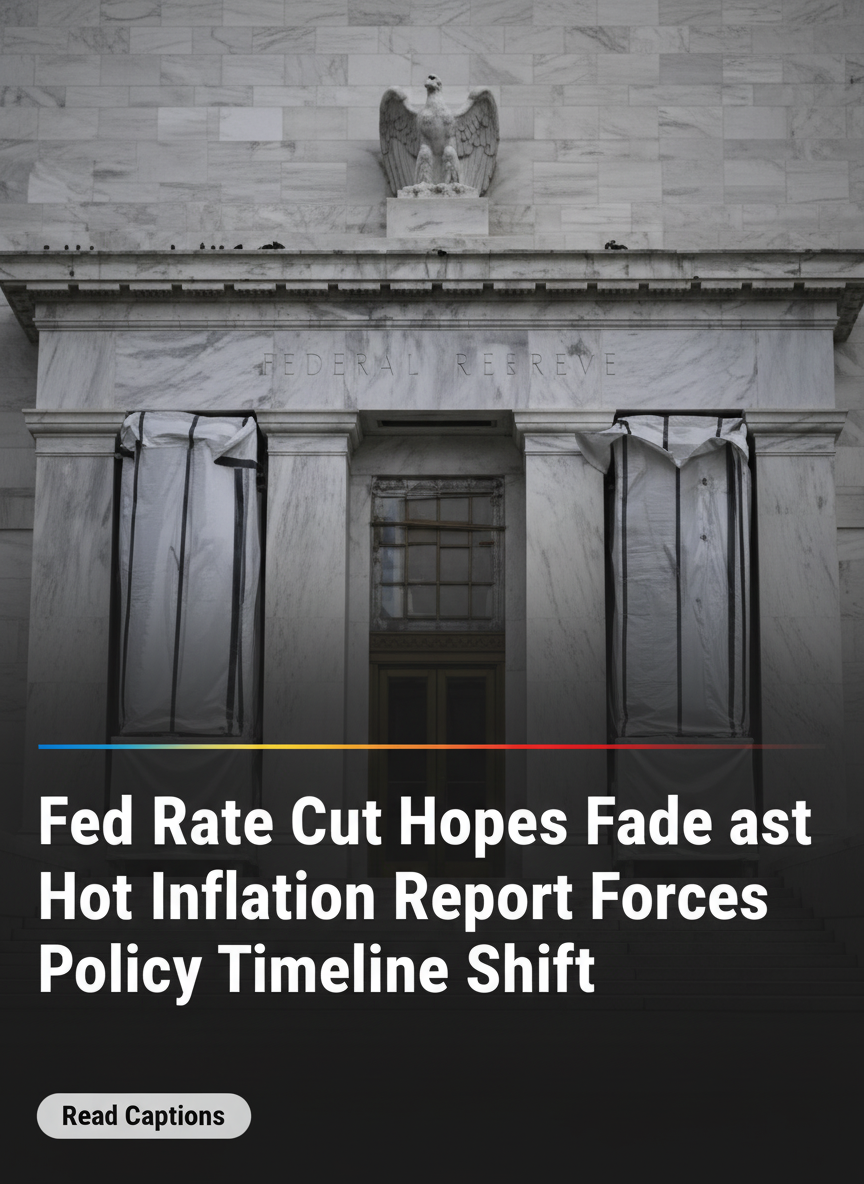
Inflation Heatwave: Fed Rate Cut Hopes Cool as Economic Data Defies Expectations
By Financial News Desk | Updated: March 18, 2026
WASHINGTON — Market optimism for a spring policy pivot evaporated on Wednesday as a surprisingly resilient inflation report forced investors to recalibrate their timelines for Federal Reserve interest rate cuts. With the central bank concluding its two-day policy meeting today, the latest data suggests that the “last mile” of the inflation fight is proving stickier than many had hoped.
Inflation Data Comes in “Hotter Than Expected”
The latest Consumer Price Index (CPI) report, released just ahead of the Fed’s final deliberations, showed prices rising at a 3.5% annualized clip, outpacing the 3.1% forecast by economists. Core inflation, which strips out volatile food and energy costs, also remained stubbornly high, fueled by persistent service-sector costs and a rebound in housing expenses.
The “hot” report effectively dashed hopes for a rate cut in May, with Fed funds futures now pricing in the first move no earlier than September. Just a week ago, market participants were betting on a better-than-50% chance of a June reduction.
The Fed’s “Higher for Longer” Mantra Returns
As Federal Reserve officials wrap up their March meeting today, the tone from Washington has shifted from cautious optimism to a “wait-and-see” defensiveness. Federal Reserve Chair Jerome Powell, in previous remarks, has emphasized that the committee needs “greater confidence” that inflation is moving sustainably toward its 2% target before loosening the reins on the economy.
“This data is a cold shower for those expecting a quick return to lower rates,” said Elena Vance, chief global strategist at Capital Markets Insight. “The Fed has been clear that they are data-dependent, and right now, the data is telling them that the job isn’t finished. We are back in a ‘higher for longer’ environment for the foreseeable future.”
Market Reaction: Yields Surge, Stocks Retreat
Wall Street reacted swiftly to the inflation print. The yield on the 10-year Treasury note, a benchmark for everything from mortgages to corporate loans, surged to its highest level of the year, touching 4.45%. Higher yields weighed heavily on growth sectors, with the Nasdaq Composite slipping 1.2% in early trading as investors soured on tech stocks sensitive to borrowing costs.
The dollar also strengthened against a basket of major currencies, as the prospect of sustained high U.S. interest rates attracted international capital seeking higher returns.
What to Watch for Next
While the Fed is widely expected to hold rates steady at the 5.25%–5.50% range in today’s announcement, all eyes will be on the “dot plot”—the central bank’s quarterly summary of economic projections. Investors are eager to see if officials have lowered the number of projected cuts for the remainder of 2026.
Economists warn that if inflation does not begin to cool by the second quarter, the Fed may not only delay cuts but could potentially discuss the need for further hikes—a scenario that seemed unthinkable at the start of the year.