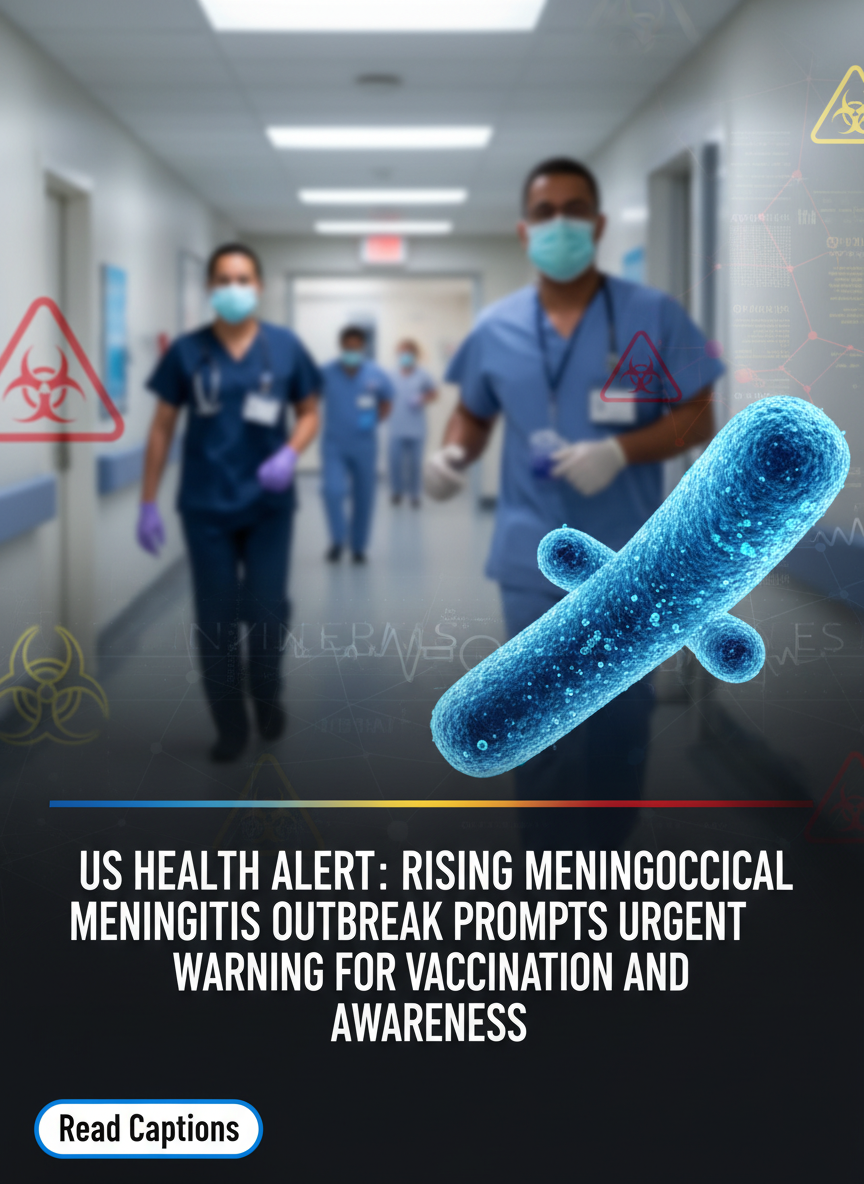
Global Alarm as Meningitis Outbreak Escalates: Why “Meningococcal Meningitis” is Trending Today
March 18, 2026 — In the last four hours, “meningococcal meningitis outbreak” has surged as a top trending topic on Google in the United States, surpassing 2,000 searches. The spike in public interest follows reports of an “unprecedented” and fatal outbreak among students in England, alongside a controversial recent shift in U.S. vaccination policy that has healthcare experts on high alert.
What is Happening: The Canterbury Outbreak
The primary driver for the current trend is a rapidly developing outbreak in Canterbury, Kent, England. As of today, March 18, health officials have confirmed that the number of cases has risen to 20, including two fatalities. The victims include a student from the University of Kent and a Year 13 pupil from Queen Elizabeth’s Grammar School in Faversham.
The U.K. Health Security Agency (UKHSA) has identified a significant “super-spreader” link to Club Chemistry, a popular local nightclub, where many of those infected were present between March 5 and March 7, 2026. Health Secretary Wes Streeting has described the speed of the outbreak as unprecedented, leading to mass distributions of preventative antibiotics (ciprofloxacin) to hundreds of jittery students and residents.
Why It’s Trending in the U.S. Right Now
While the most recent cluster is overseas, the topic is trending in the U.S. due to several domestic factors:
- Recent U.S. Policy Controversy: On January 5, 2026, the U.S. Department of Health and Human Services (HHS) and the CDC announced they would no longer recommend universal pediatric vaccination for meningococcal disease. Instead, they shifted to “shared decision-making” between families and doctors. This move has been heavily criticized by medical organizations, fearing it will lead to immunity gaps.
- Rising Domestic Cases: The U.S. is currently emerging from a period of high infection rates. Preliminary data for 2024 showed 503 confirmed cases in the United States—the highest number reported since 2013.
- The Chicago Cluster: Earlier this year, between January 15 and February 19, 2026, Chicago reported its own cluster of 10 adult cases and two deaths, primarily linked to serogroup Y, which has been the dominant strain in the U.S. recently.
Key Facts: What You Should Know
Invasive meningococcal disease is a rare but devastating bacterial infection caused by Neisseria meningitidis. It can present as meningitis (infection of the brain and spinal cord lining) or septicemia (blood poisoning).
1. The Symptoms are Rapid
The disease can progress from mild “flu-like” symptoms to death within just a few hours. Key warning signs include:
- Sudden high fever and severe headache.
- Stiff neck (difficulty touching chin to chest).
- A non-blanching rash (small red or purple spots that do not disappear when pressed with a glass).
- Sensitivity to light, confusion, and extreme lethargy.
2. Transmission
The bacteria are not as contagious as the common cold but spread through close, prolonged contact. This includes kissing, sharing drinks, or living in close quarters like dormitories or shelters.
3. The Current Strains
In the current Canterbury outbreak, the strain has been identified as Meningococcal group B (MenB). In the U.S., much of the recent rise since 2021 has been driven by Serogroup Y, which has shown atypical presentations, such as bloodstream infections without the classic stiff neck of meningitis.
Background Context and History
The current anxiety is rooted in a historical shift in the pathogen’s behavior. For decades, meningococcal disease was in decline in the U.S. However, a sharp rise began in 2021. This was highlighted by a “historic” 2022 outbreak in Florida, which primarily affected gay and bisexual men and became one of the worst outbreaks in U.S. history among that demographic, resulting in at least 7 deaths and 26 cases.
Public health experts are particularly concerned about the timing of the U.K. outbreak, as it coincides with spring break travel for many U.S. students. While the CDC has not yet issued a formal Travel Health Notice for the U.K., they have urged healthcare providers to maintain a “heightened index of suspicion” for any patients presenting with symptoms, especially those with recent travel history to southeast England.
Conclusion: A Call for Vigilance
The surge in search interest reflects a growing public concern over a disease that is famously unforgiving. While the U.K. containment efforts are underway, the combination of a shifting U.S. vaccine landscape and the recent rise in global cases suggests that public health vigilance is more critical than ever. Experts recommend that individuals—especially college-aged adults and those with compromised immune systems—ensure their vaccinations are up to date and seek emergency care immediately if symptoms appear.
As this story develops, health officials expect the number of cases in Kent to rise over the next 14 days due to the disease’s incubation period.