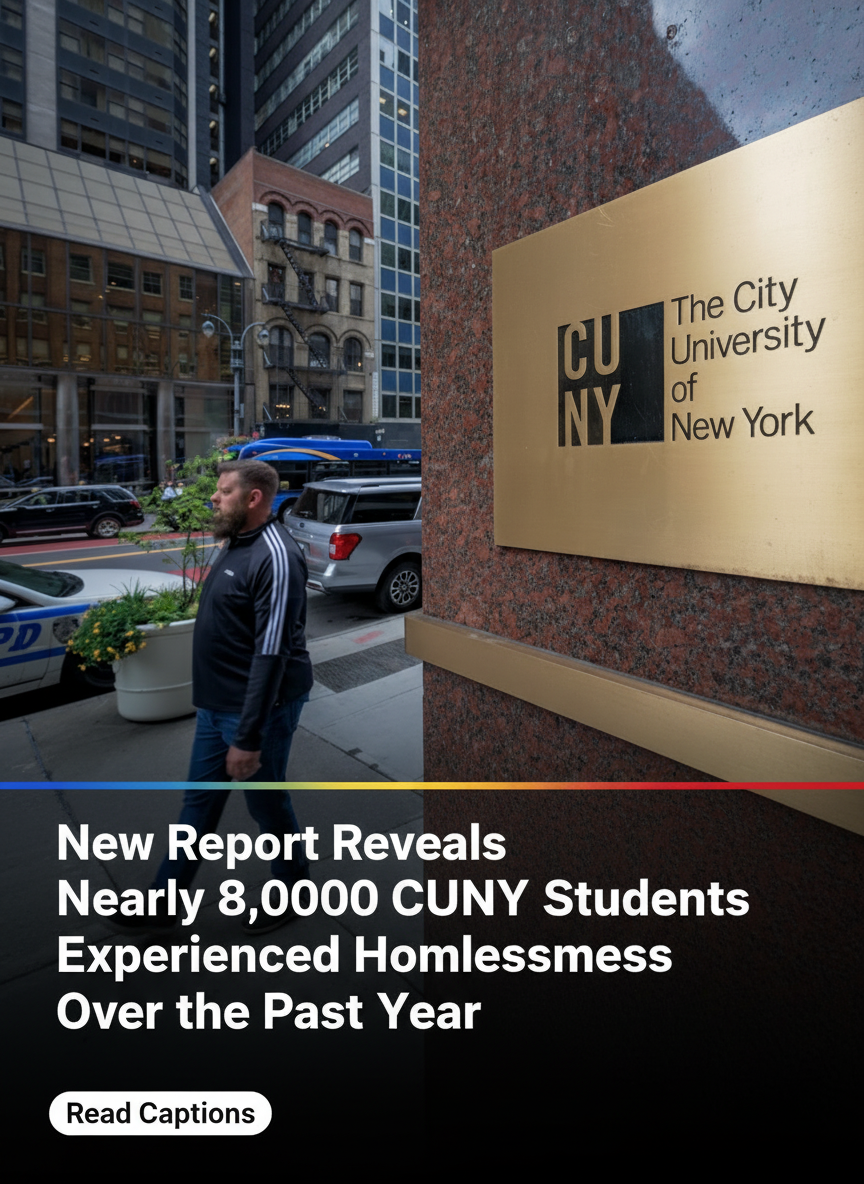
Hidden Crisis in Higher Education: Nearly 8,000 CUNY Students Experienced Homelessness Last Year
NEW YORK — For thousands of students across the City University of New York (CUNY) system, the stress of midterms and finals is secondary to a much more existential threat: the lack of a stable place to sleep. During a recent high-stakes budget hearing, CUNY officials revealed a staggering statistic that highlights the growing intersection of the housing crisis and higher education in New York City.
A Statistical Wake-Up Call
According to testimony provided by CUNY Vice Chancellor Alicia Alvero during Friday’s budget hearing, nearly 8,000 students were identified as homeless within a single academic year. This figure, while jarring, is considered an estimate derived from the university’s biannual student survey.
Alvero noted that approximately 5% of the total CUNY student population reported experiencing homelessness. “This is not just a housing issue; it is a fundamental barrier to academic success,” officials remarked during the session, emphasizing that housing instability often leads to lower retention rates and increased mental health challenges for students.
Disproportionate Impact on Community Colleges
The data further reveals a troubling disparity within the university system. While the crisis touches all corners of the institution, the rate of homelessness was significantly higher among students enrolled in community colleges compared to those at four-year senior colleges.
Community college students often balance full-time work schedules with their studies and are more likely to come from low-income households or underserved communities. For these individuals, a single unexpected expense—such as a medical bill or a rent hike—can be the catalyst that leads to losing their home.
The Methodology of Measurement
The 8,000-student estimate is based on self-reported data from CUNY’s biannual survey, which tracks the basic needs of the student body. However, advocates for the homeless suggest the actual numbers could be even higher. The stigma associated with “couch surfing” or living in transitional housing often prevents students from identifying as homeless on official forms.
CUNY’s definition of homelessness includes students living in shelters, cars, abandoned buildings, or doubling up with other families due to financial hardship.
The Cost of Learning in New York City
The revelation comes at a time when the cost of living in New York City continues to reach record highs. While CUNY remains one of the most affordable urban university systems in the United States, tuition is only one part of the financial equation. When combined with the soaring costs of food, transportation, and rent, the “total cost of attendance” often exceeds the financial aid packages available to the city’s most vulnerable residents.
Looking Ahead: The Budget Battle
The timing of these findings is critical. By presenting these figures during a budget hearing, CUNY leadership is making a clear case for increased city and state funding. The university is seeking resources not only for academic instruction but for expanded basic needs centers, emergency grants, and partnerships with housing agencies.
As the city negotiates its upcoming budget, the plight of these 8,000 students serves as a sobering reminder that for many New Yorkers, the “engine of social mobility” that is CUNY cannot function if the students themselves don’t have a front door to walk through at the end of the day.
For more updates on this story and local New York City news, stay tuned to PIX11.