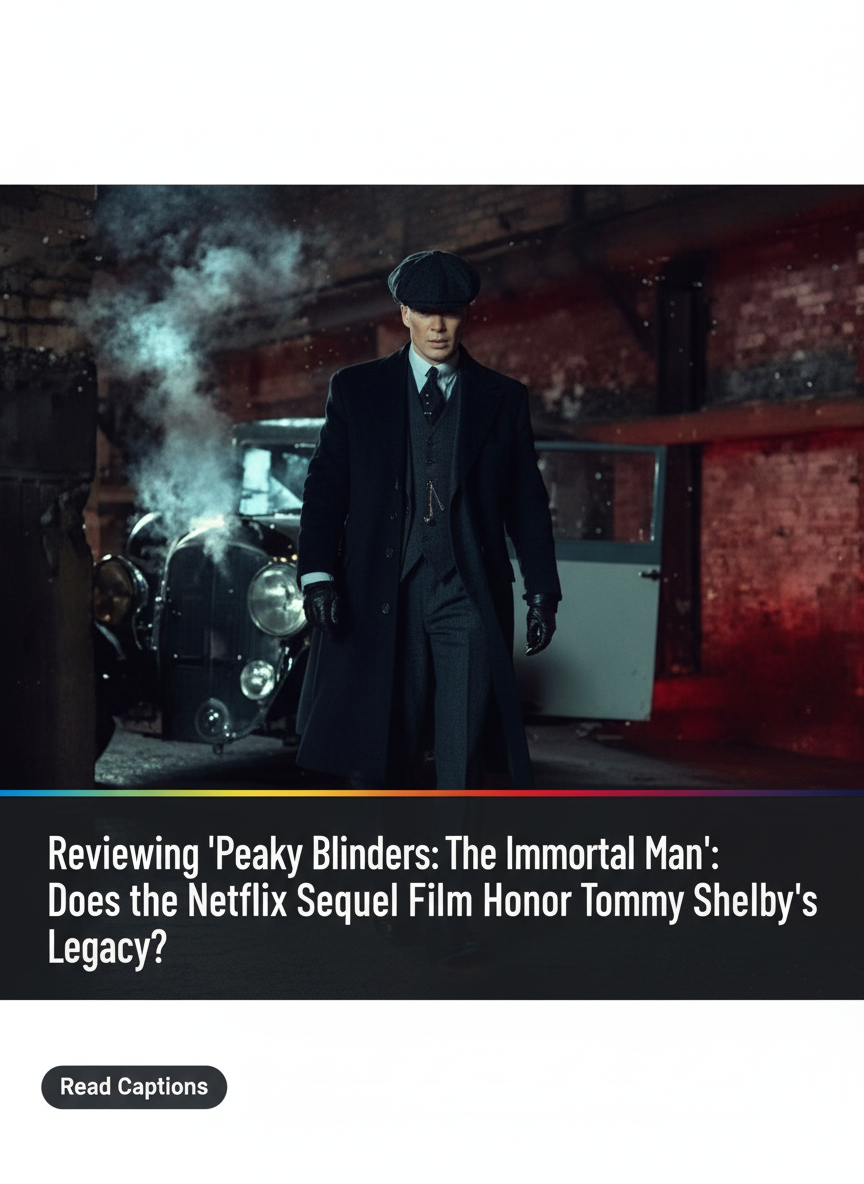
By Order of the Peaky Blinders: Tommy Shelby Returns in a Gritty, High-Stakes Cinematic Finale
The long-awaited return of the Shelby clan has finally arrived. Netflix’s Peaky Blinders: The Immortal Man, the feature-length sequel to the hit period crime drama, has made its debut, and the early consensus suggests that Thomas Shelby’s transition from the small screen to the silver screen is nothing short of explosive. Picking up where the series finale left off, the film attempts to provide a definitive closing chapter to one of television’s most iconic anti-heroes.
A Legacy Etched in Blood and Iron
Directed by Tom Harper and written by series creator Steven Knight, The Immortal Man finds Cillian Murphy stepping back into the heavy wool coat of Tommy Shelby. Now set against the looming shadow of World War II, the stakes have shifted from the cobblestone streets of Birmingham to the global geopolitical stage. The film explores the “immortality” of Shelby’s influence—a man who has cheated death so many times that he has become a mythic figure in his own right.
According to the latest reviews, the film doesn’t shy away from the gritty, atmospheric aesthetics that made the show a global phenomenon. The cinematography is expansive, utilizing the larger budget to showcase a Britain on the brink of collapse. The transition to a feature format allows Knight to tighten the narrative, focusing on a high-stakes mission that forces Tommy to confront the ghosts of his past while navigating a treacherous future.
Murphy’s Masterclass Performance
Fresh off his Academy Award-winning turn in Oppenheimer, Cillian Murphy delivers what critics are calling his most nuanced portrayal of Shelby to date. In The Immortal Man, Tommy is no longer just the ambitious gang leader; he is a weary, haunted statesman who recognizes that his time is running out. Murphy’s performance anchors the film, balancing moments of cold, calculated violence with a newfound vulnerability.
The supporting cast also receives high marks, with returning favorites providing the emotional backbone of the story. The film successfully manages the ensemble dynamic, ensuring that while Tommy remains the sun the world revolves around, the consequences of his actions are felt deeply by those remaining in the Shelby Company Limited.
Cinematic Scope vs. Serialized Depth
One of the primary questions heading into the Netflix premiere was whether a two-hour film could capture the same slow-burn tension as a six-episode season. Critics note that while the pacing is significantly faster, the film benefits from a more singular, driving objective. The “Immortal Man” of the title refers not just to Tommy’s physical survival, but to the enduring legacy of the Shelby name—a theme that is explored through visceral action sequences and sharp, poetic dialogue.
However, the film isn’t without its challenges. Moving at a breakneck speed means some secondary plotlines from the series’ final season are addressed with more brevity than some die-hard fans might expect. Nevertheless, the central conflict is handled with the operatic intensity that has become the franchise’s trademark.
The Final Verdict
Peaky Blinders: The Immortal Man serves as both a love letter to the fans and a bold evolution of the story. It is a film that demands to be seen on the largest screen possible, even as it finds its home on Netflix. Steven Knight has successfully transitioned his “Brummie” epic into a cinematic event that feels earned rather than forced.
As the credits roll on what is billed as the final stand for Thomas Shelby, the film leaves audiences with a profound sense of closure—proving that while the man may be mortal, the legend of the Peaky Blinders is, indeed, immortal.
Peaky Blinders: The Immortal Man is now streaming globally on Netflix.