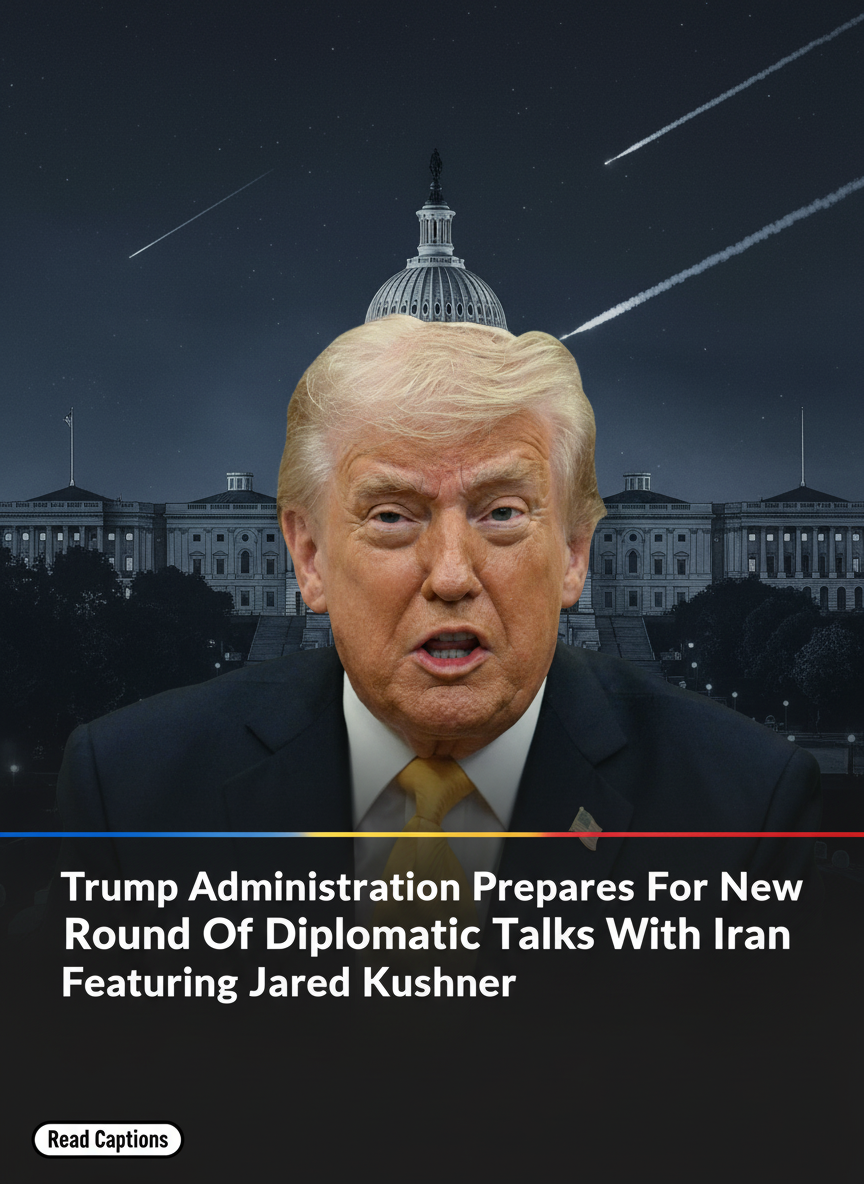
Diplomatic Pivot: Trump Administration Lays Groundwork for Potential Thaw in Iran Relations
WASHINGTON D.C. — In a move that could signal a seismic shift in Middle Eastern geopolitics, the Trump administration has begun laying the strategic groundwork to resume diplomatic negotiations with Iran. According to reports surfaced Saturday, high-level officials and close confidants of the President are currently engaged in preliminary discussions aimed at breaking years of icy relations and escalating tensions.
Sources familiar with the matter told Axios that the effort is being spearheaded by a familiar circle of advisors, most notably Special Envoy Steve Witkoff and the President’s son-in-law, Jared Kushner. While Kushner does not hold an official cabinet position in the current term, his instrumental role in brokering the Abraham Accords during the first Trump administration has made him a pivotal figure in the administration’s regional strategy.
A High-Stakes Strategy
The reported outreach represents a nuanced departure from the “maximum pressure” campaign that defined the administration’s previous approach to Tehran. Analysts suggest that the goal may be to secure a more comprehensive and “permanent” deal regarding Iran’s nuclear capabilities, ballistic missile program, and support for regional proxies.
Steve Witkoff, recently appointed as a Special Envoy, has reportedly been conducting a series of discreet meetings to gauge the appetite for dialogue within the Iranian leadership. These “talks about talks” are designed to establish a framework before any formal sit-down between top diplomats occurs. The involvement of Kushner, who maintains deep ties with Gulf monarchy leaders, suggests that any potential deal would likely be integrated into a broader regional security framework.
Regional and Global Implications
The news comes at a critical juncture for the Middle East. With the region still navigating the aftermath of several years of volatility, a diplomatic breakthrough between Washington and Tehran could significantly alter the calculations of regional powers, including Israel and Saudi Arabia. While some allies may view the overtures with skepticism, others see it as a necessary step to prevent a broader conventional conflict.
Critics at home are already raising questions about the feasibility of such negotiations. Hardliners in Congress have expressed concern that Iran may use the pre-negotiation phase to stall international oversight of its nuclear facilities. Conversely, proponents of the move argue that the previous stalemate has only allowed Tehran to advance its enrichment programs, necessitating a fresh diplomatic surge.
The Road Ahead
As of Saturday evening, the White House has not issued an official comment on the Axios report, though officials have frequently stated that the President is open to “meaningful deals” that prioritize American security interests. Whether these preliminary steps lead to a formal summit remains to be seen, but the presence of Witkoff and Kushner at the center of the effort underscores the administration’s intent to treat this as a top-tier foreign policy priority.
For now, the world watches closely to see if the administration’s signature brand of transactional diplomacy can navigate the complex, decades-long rivalry that has defined the modern era of the Middle East.