The $200 Million Shadow: How Pro-Israel Super PACs are Reshaping the 2026 Midterms
By Political Correspondent | Updated March 21, 2026
A New Era of Dark Money Influence
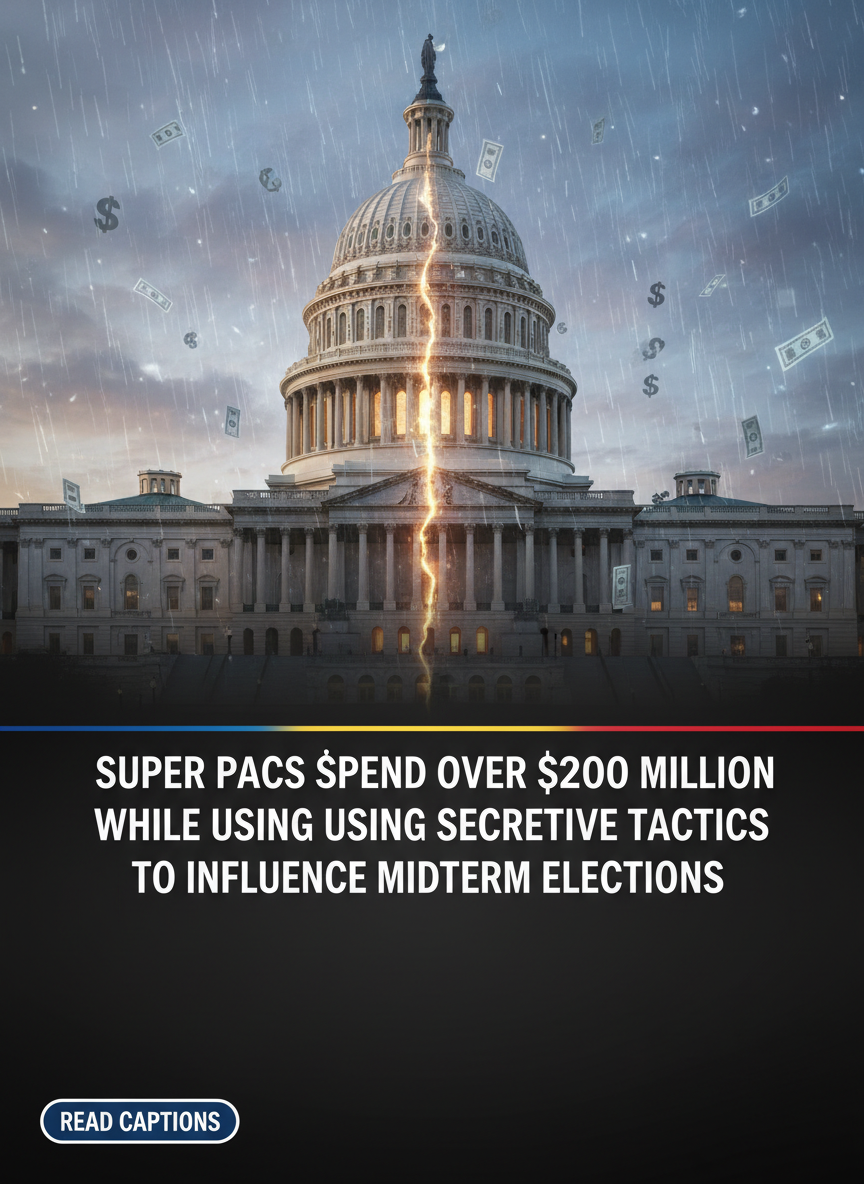
In a historic surge of political spending, outside groups have officially poured more than $200 million into the 2026 midterm election cycle. While the sheer volume of capital is staggering, a new report from the Washington Post highlights a more concerning trend: a sophisticated strategy by pro-Israel Super PACs to influence elections while carefully obscuring their primary motivations from voters.
The spending milestone, reached this week, marks a 35% increase over the same period in the 2022 and 2024 cycles. Leading the charge are groups associated with the American Israel Public Affairs Committee (AIPAC) and the United Democracy Project (UDP), which have deployed massive war chests to intervene in key Democratic and Republican primaries across the country.
The Strategy of “Stealth” Campaigning
The core of the controversy lies in how these funds are being utilized. According to campaign finance filings and ad-tracking data, many of these pro-Israel organizations are running ads that make no mention of foreign policy, Israel, or the Middle East. Instead, they are flooding the airwaves with attacks centered on local infrastructure, tax records, or personal controversies of candidates who have expressed skepticism toward U.S. military aid to Israel.
“They aren’t running on their cause; they are running against candidates using whatever domestic vulnerability they can find,” says Sarah Jenkins, a senior fellow at the Center for Responsive Politics. “By keeping their primary objective—support for Israel—out of the advertisements, they can appeal to a broader base of voters who might not prioritize foreign policy, effectively ‘hiding the ball’ on why the money is really there.”
Targeting the “Squad” and Beyond
The primary targets of this $200 million blitz have been progressive candidates and incumbents who have called for greater oversight of Israeli military actions. In high-stakes races in New York, Michigan, and Illinois, Super PACs have bankrolled opposition research and television spots that frame these candidates as “out of touch” with their local districts on economic issues.
Defenders of the spending argue that Super PACs are merely using the tools available to them in a post-Citizens United landscape. A spokesperson for one prominent pro-Israel PAC stated, “Our goal is to ensure that the U.S.-Israel relationship remains strong by supporting leaders who understand its importance. How we choose to communicate with voters about a candidate’s fitness for office is a strategic decision based on what resonates at the local level.”
A Transparency Crisis
Critics, however, argue that this tactical obfuscation undermines democratic transparency. When a voter sees an ad about a candidate’s history with small business loans, they may not realize the ad was funded by a group whose sole mission is foreign policy-driven. This creates a disconnect between the source of the money and the message being broadcast.
“Voters deserve to know why millions of dollars are being spent to take down a candidate,” says Rep. David Foster (D-CA), a vocal proponent of campaign finance reform. “When groups mask their true intentions behind generic names and local grievances, it distorts the democratic process and makes it impossible for the public to follow the money.”
Conclusion: The Road to November
As the 2026 primary season enters its most volatile phase, the $200 million mark is likely just the beginning. With several key battleground races still months away, analysts predict that total Super PAC spending could reach half a billion dollars by November. For candidates caught in the crosshairs, the challenge remains clear: navigating a political landscape where the most powerful voices in the room are often the ones trying the hardest to remain unseen.