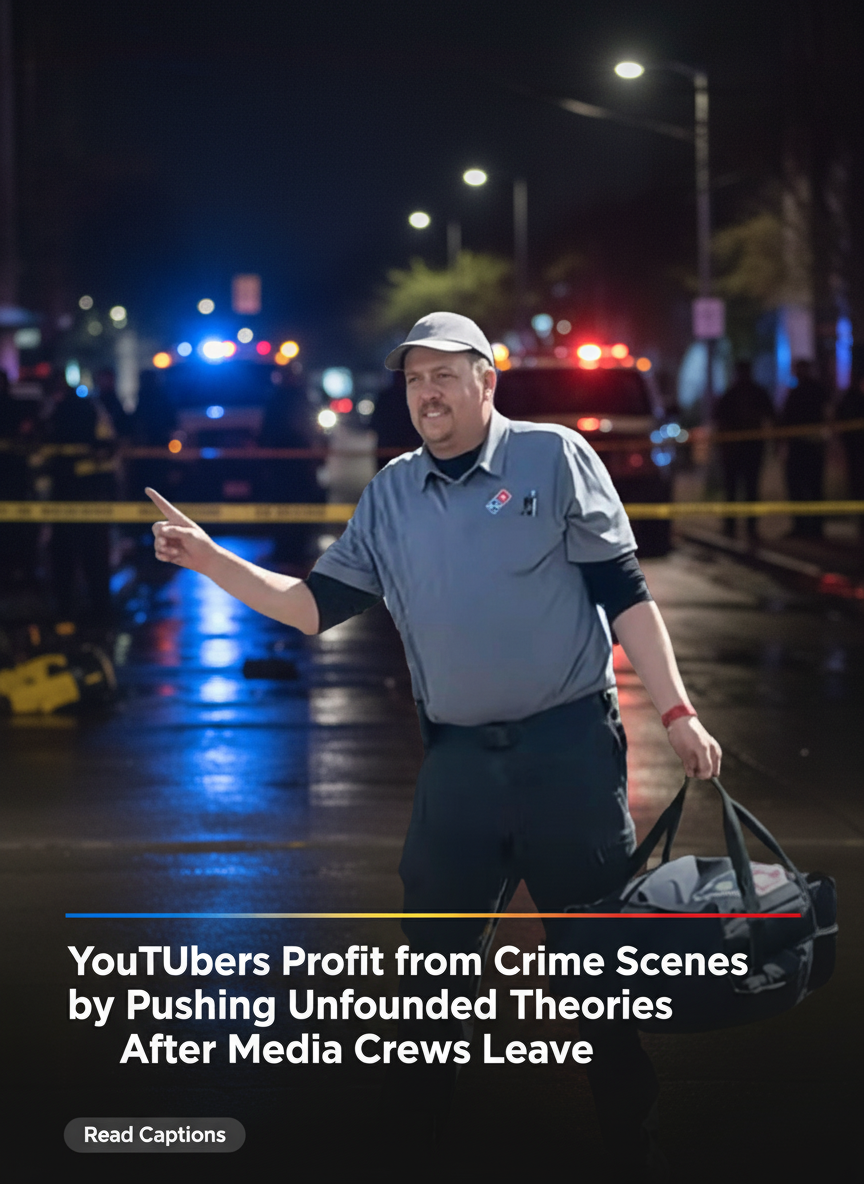
The Profit of Tragedy: YouTubers Spark Controversy by Monetizing Real-Time Crime Scenes
TUCSON, AZ — As the sun sets over the yellow police tape surrounding the Guthrie residence in Tucson, the traditional news vans are beginning to pack up. But for a new breed of “citizen journalists,” the workday is just beginning. Armed with smartphones, stabilizers, and portable battery packs, these independent streamers are transforming active crime scenes into high-stakes digital entertainment—and cashing in on the process.
The Rise of ‘Crime Scene Tourism’
The phenomenon, often labeled by critics as “tragedy tourism,” has seen a meteoric rise on platforms like YouTube and Twitch. These creators don’t just report the news; they live-stream for hours, narrating every movement of forensic teams and engaging in real-time speculation with thousands of viewers. Unlike traditional media outlets bound by editorial standards and legal vetting, these streamers often lean into sensationalism and unfounded theories to keep their audience engaged.
At the center of this burgeoning industry is the “Crime Seen Collective,” a network of streamers who have made a name for themselves by camping out at high-profile crime scenes across the country. Their presence at the Guthrie house in Arizona has highlighted a growing tension between the right to film in public and the ethical boundaries of grief and privacy.
“An Outsider Looking In”
Defenders of the practice argue that they provide a level of transparency that corporate media cannot—or will not—offer. Alina Smith, co-founder of the Crime Seen Collective, maintains that their work serves a public interest by documenting the aftermath of crimes long after the 6:00 PM news cycle has ended.
“We’re trying to give people a view from an outsider looking in to see what it’s like, especially after the mainstream media goes home,” Smith said during a recent stream in Tucson. For Smith and her colleagues, the goal is to provide an unvarnished, “raw” look at the justice system in action, claiming they provide a voice for a public that feels disconnected from traditional reporting.
The Business of “Ghoulish” Content
However, the altruistic claims of these streamers are often overshadowed by the financial mechanics of their platforms. Through “Super Chats,” digital “stickers,” and direct donations, viewers can pay to have their comments highlighted or to ask the streamer to investigate specific parts of a scene. This creates a direct financial incentive to remain at a crime scene as long as possible and to lean into the most provocative theories to drive engagement.
Industry analysts estimate that top-tier crime streamers can earn thousands of dollars in a single night if a case goes viral. “When you monetize a tragedy in real-time, the incentive isn’t accuracy—it’s retention,” says media ethics expert Dr. Julian Vance. “The more ghoulish the speculation, the more viewers stay tuned, and the more the ‘donations’ roll in. It’s a feedback loop that rewards misinformation.”
Legal and Ethical Grey Zones
Law enforcement agencies have expressed increasing frustration with the presence of these streamers. While the First Amendment generally protects the right to film in public spaces, officers on the ground complain that the constant presence of streamers can interfere with witnesses, contaminate the atmosphere of an investigation, and traumatize the families of victims who must watch their worst moments broadcast to a global audience with a “Donation” button attached.
In Tucson, neighbors of the Guthrie family have reported feeling “hunted” by the presence of cameras on their doorsteps. Unfounded theories regarding the case—spread by streamers to keep the chat moving—have led to online harassment of individuals who have not been named as suspects by police.
Conclusion
As digital platforms continue to democratize the news, the line between public service and exploitation continues to blur. While the Crime Seen Collective and similar groups argue they are providing a necessary check on the “mainstream” narrative, the financial windfall generated by these tragedies remains a point of deep contention. For the residents of Tucson and beyond, the question remains: when does the search for “truth” cross the line into the commodification of grief?