The Digital Brink: Critics Warn Trump’s ‘Meme Warfare’ with Iran Could Spark Real-World Catastrophe
By Political Correspondent | March 22, 2026
The Shift in Statecraft: Diplomacy by Viral Content
As tensions between Washington and Tehran reach a fever pitch this spring, a new and controversial front has opened in the halls of American foreign policy: the “war meme.” Following a series of provocative social media posts from the White House—ranging from AI-generated imagery of naval superiority to biting satirical clips targeting Iranian leadership—the New York Times has issued a stark warning regarding the administration’s current trajectory.
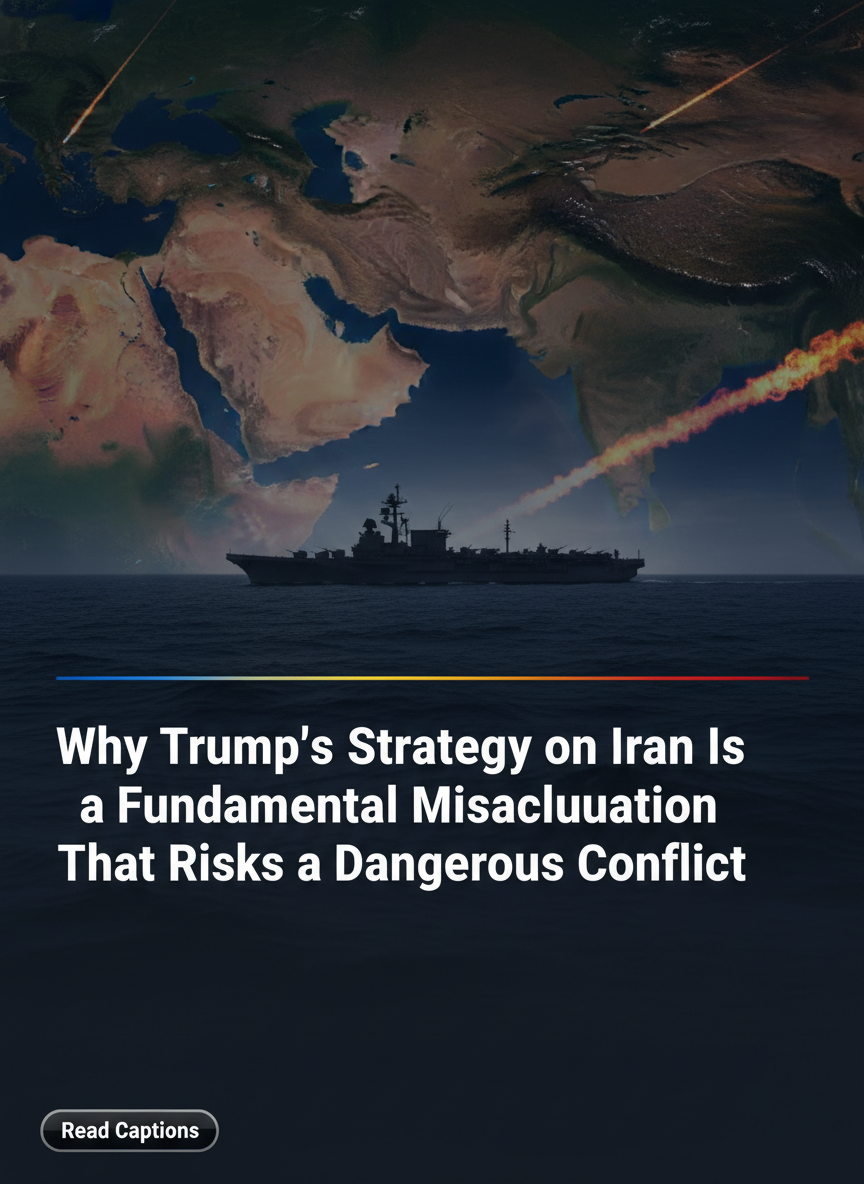
In a blistering opinion piece published today, titled “Trump Has Made a Fundamental Miscalculation about Iran,” analysts argue that the administration is treating a potential nuclear-level conflict with the levity of an internet trend. The article posits that while the “maximum pressure” campaign of the past was defined by sanctions, the current era is being defined by digital psychological operations that may be backfiring.
The “Fundamental Miscalculation”
The core of the critique lies in what experts call a “fundamental miscalculation” of Iranian resilience and internal politics. According to the NYT analysis, the Trump administration appears to believe that mocking the regime through viral content will erode its domestic support or goad it into a tactical error. However, the opposite may be occurring.
“America shouldn’t fight a war like this,” the summary of the piece declares, highlighting the dangerous gap between online bravado and the grim realities of kinetic warfare in the Persian Gulf. Critics argue that the “meme warfare” strategy ignores the historical precedent of Iranian nationalism, which often coalesces in the face of perceived Western disrespect.
A New Kind of Escalation
The use of memes as a tool of statecraft is not entirely new, but the scale and official nature of the current campaign are unprecedented. Throughout March 2026, the administration has used platforms like X (formerly Twitter) and Truth Social to bypass traditional diplomatic channels, often leaving the State Department to scramble in the wake of viral posts that shift policy overnight.
Military strategists interviewed in response to the NYT piece express concern that these digital taunts create an “escalation ladder” with no clear exit ramp. “When you turn foreign policy into a series of punchlines, you lose the nuance required for de-escalation,” said one retired Four-Star General. “If the Iranian leadership feels they are being publicly humiliated for a global audience, their only culturally and politically viable response may be a violent one.”
Conclusion: The Risk of an Accidental War
The NYT editorial concludes with a sobering plea for a return to traditional, predictable diplomacy. The danger of the current “miscalculation” is not just that the memes are offensive, but that they are being mistaken for a substitute for a coherent military and diplomatic strategy.
As the sun sets on March 22, the world watches the digital screens of the White House and the clerical offices in Tehran with equal parts fascination and dread. If the “war of memes” tips over into a war of missiles, the primary miscalculation will not be about who had the better content, but about the cost of treating global stability as a game of social media engagement.