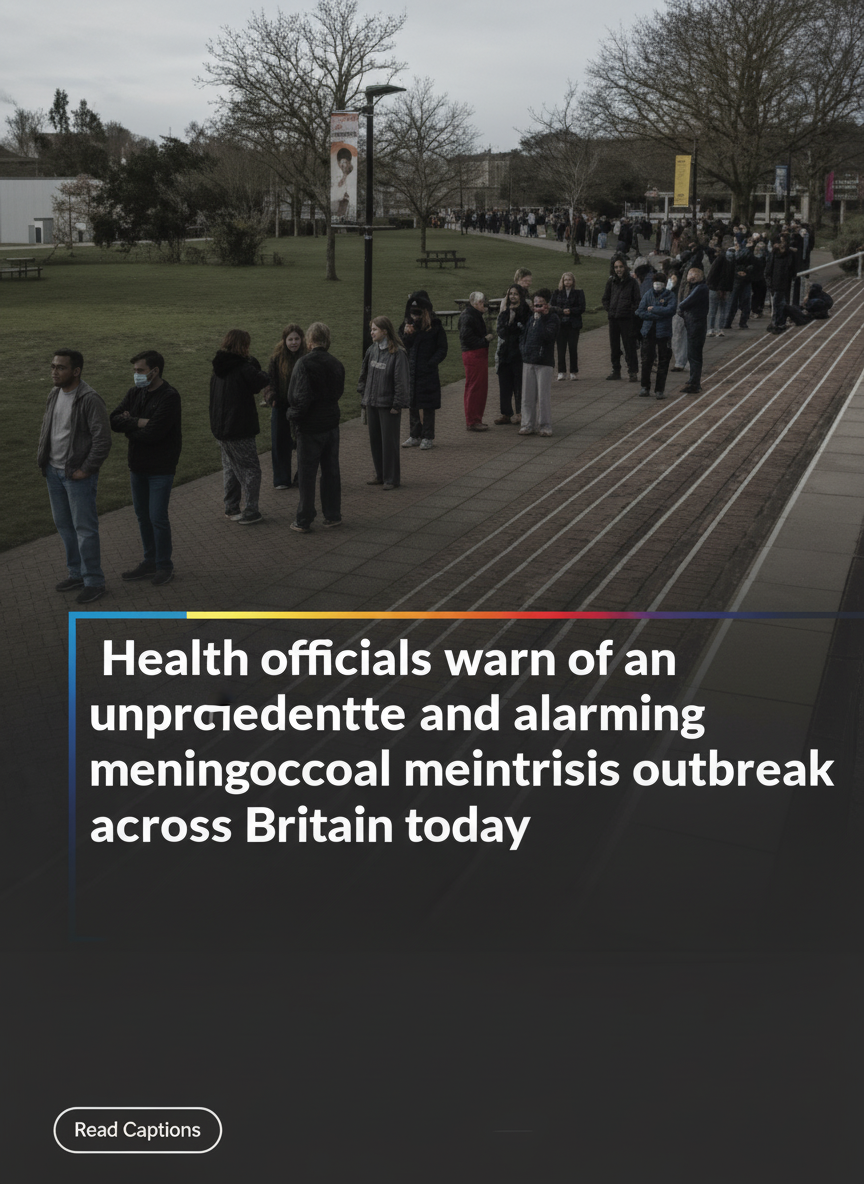
An ‘Unprecedented’ Outbreak of Meningitis Raises Alarm in Britain
KENT, United Kingdom — Health officials across the United Kingdom are on high alert this week following what experts are describing as an “unprecedented” surge in Meningitis B cases centered in the county of Kent. The outbreak, which has primarily affected teenagers and young adults, has prompted emergency vaccination drives and widespread concern among parents and educators.
According to reports released late Tuesday by the UK Health Security Agency (UKHSA), more than 40 confirmed cases of meningococcal group B (MenB) have been identified in the last ten days. While meningitis cases occur sporadically throughout the year, the density and speed of this cluster have caught medical professionals off guard.
“We are seeing a transmission pattern that is highly unusual,” said Dr. Helena Whitaker, a senior epidemiologist at the UKHSA. “The rapid progression of symptoms in these cases and the geographical concentration in Kent suggest a particularly aggressive strain. We are working around the clock to sequence the bacteria and contain the spread.”
Emergency Measures and School Closures
Local authorities in Kent have taken the drastic step of temporarily closing three secondary schools and a university campus where the highest concentration of cases was detected. Deep-cleaning protocols are underway, and close contacts of those infected are being issued emergency antibiotics as a preventative measure.
NHS England has also opened 24-hour “pop-up” clinics across the Southeast to expedite the rollout of the MenB vaccine to eligible young people who may have missed their scheduled immunizations. Long queues were reported outside clinics in Maidstone and Canterbury on Wednesday morning as anxious residents sought protection.
Symptoms and Public Guidance
Meningococcal meningitis is a serious, life-threatening infection of the membranes covering the brain and spinal cord. It can cause permanent disability or death within hours if not treated promptly. Health officials are urging the public to be vigilant for the “classic” symptoms, which include:
- High fever with cold hands and feet
- Severe headache and neck stiffness
- Sensitivity to bright lights (photophobia)
- A distinctive blotchy rash that does not fade when pressed with a glass
- Confusion or extreme lethargy
“The ‘glass test’ remains a critical tool for parents,” noted Dr. Whitaker. “But we also stress that you should not wait for a rash to appear. If a child or young adult appears significantly unwell and exhibits a fever or neck pain, seek emergency medical attention immediately.”
A Growing Sense of Urgency
The outbreak comes at a time when health services are already stretched, leading to calls for increased government funding for public health surveillance. The Prime Minister’s office issued a brief statement on Tuesday evening, assuring the public that “all necessary resources” are being directed to Kent to manage the crisis.
As scientists continue to investigate the source of the outbreak, the mood in Britain remains one of cautious anxiety. For now, the focus remains on containment and ensuring that every person at risk receives the medical intervention they need before the bacteria can spread further into neighboring counties.
This is a developing story. For the latest updates and health guidance, visit the official NHS and UKHSA portals.