The Unthinkable Shock: How a 20% Drop in Global Oil Could Redefine the Century
By Global Energy Correspondent | March 24, 2026
A World on the Brink
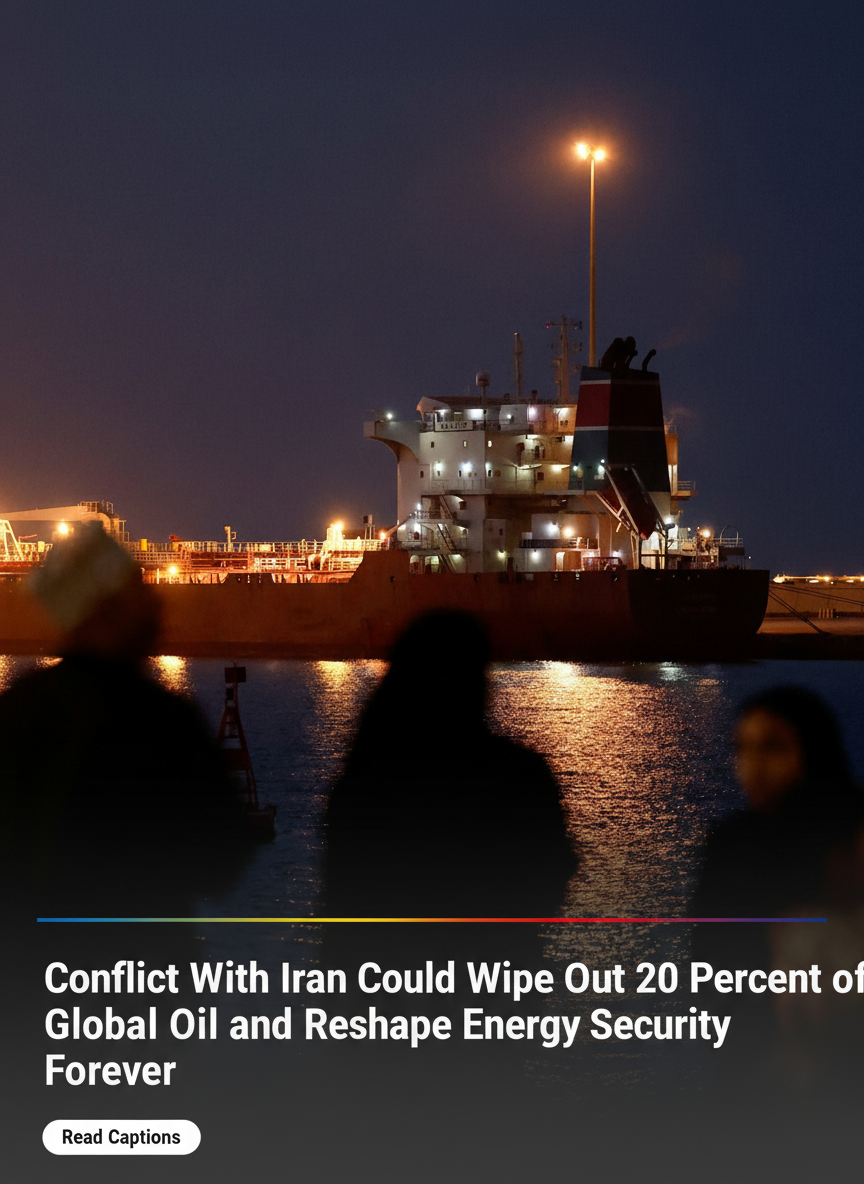
As tensions in the Middle East escalate into a full-scale regional conflict, the global economy is staring down a barrel—literally. With the Strait of Hormuz effectively shuttered and critical infrastructure caught in the crossfire of a war with Iran, the world is facing a scenario once reserved for tabletop war games: the sudden disappearance of 20 percent of the global oil supply.
In the latest episode of The Ezra Klein Show, Jason Bordoff, founding director of the Center on Global Energy Policy at Columbia University and a former senior advisor to the Obama administration, joined the program to break down the catastrophic implications of this energy vacuum. His message was clear: this isn’t just a temporary price spike; it is a fundamental breakdown of the global energy order as we know it.
The “20 Percent” Math
To the average consumer, “20 percent” might sound like a manageable margin. However, Bordoff explains that in the world of oil, where supply and demand are balanced on a knife’s edge, a 20 percent deficit is “civilization-altering.”
“The global economy is built on the assumption of fluid, uninterrupted energy flows,” Bordoff told Klein. “When you remove one-fifth of the world’s crude overnight, you aren’t just looking at $200-a-barrel oil. You are looking at the physical unavailability of fuel for shipping, agriculture, and heating. We are talking about a breakdown in the literal movement of goods across the planet.”
The Strait of Hormuz remains the world’s most vital maritime chokepoint. With its closure due to the ongoing conflict, the primary artery for Saudi, Iraqi, and Emirati exports has been severed, leaving the West and Asia scrambling for alternatives that simply do not exist in the short term.
The Death of “Just-in-Time” Energy
One of the most provocative points raised in the discussion was the failure of modern energy security philosophy. For decades, the world has moved toward a “just-in-time” delivery model, relying on global markets rather than massive strategic reserves.
Bordoff argues that this war has exposed the fragility of that reliance. “We treated energy security like an efficiency problem rather than a national security problem,” he noted. The current crisis is forcing a rapid—and painful—re-evaluation of how nations protect their citizens from external shocks. From the rapid expansion of nuclear projects to the “friend-shoring” of energy supply chains, the era of a truly global, borderless energy market may be coming to a violent end.
Green Transition or Fossil Fuel Fever?
A central question of the podcast was whether this crisis would accelerate the transition to renewable energy or lead to a desperate, dirty resurgence of coal and domestic drilling. Bordoff’s take was nuanced: while the shock provides the ultimate “economic nudge” toward electrification, the immediate desperation for energy could see carbon goals sidelined in favor of survival.
“In the long run, this is the nail in the coffin for oil dependency,” Bordoff predicted. “But in the short term, the political pressure to keep the lights on by any means necessary—including the dirtiest fuels available—is immense. We are in a race between the collapse of the old system and the readiness of the new one.”
Conclusion: A New Map of Power
As the conflict with Iran continues to dominate the headlines, the conversation between Klein and Bordoff serves as a sobering reminder that our modern life is underpinned by a fragile geography of pipelines and tankers. If 20 percent of the world’s oil remains offline, the geopolitical map will be redrawn, with power shifting to those who can either produce their own energy or pivot the fastest to a post-oil reality.
For now, the world waits, watches the tickers, and wonders if the energy security we took for granted is gone for good.